English
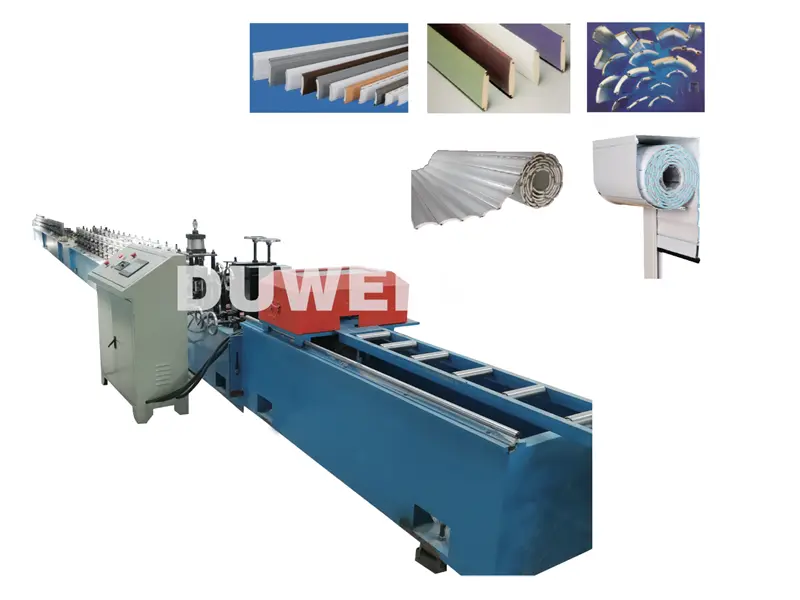
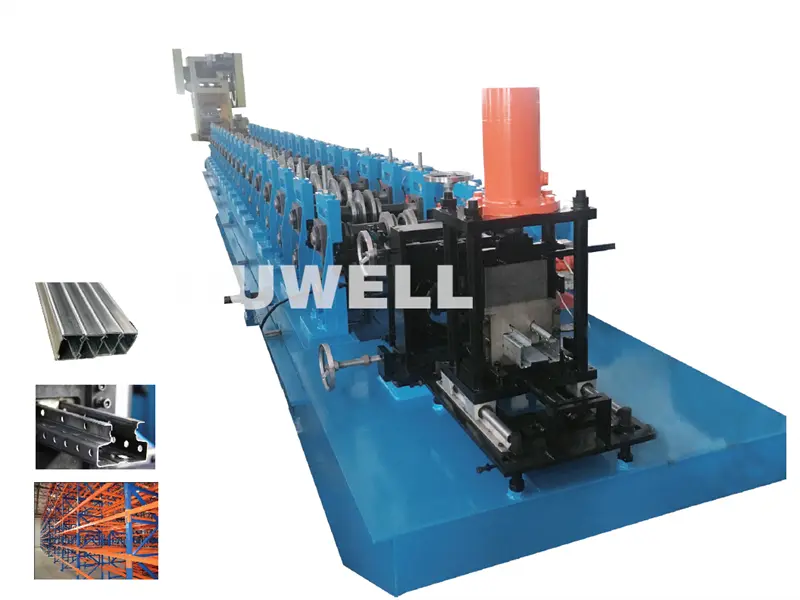
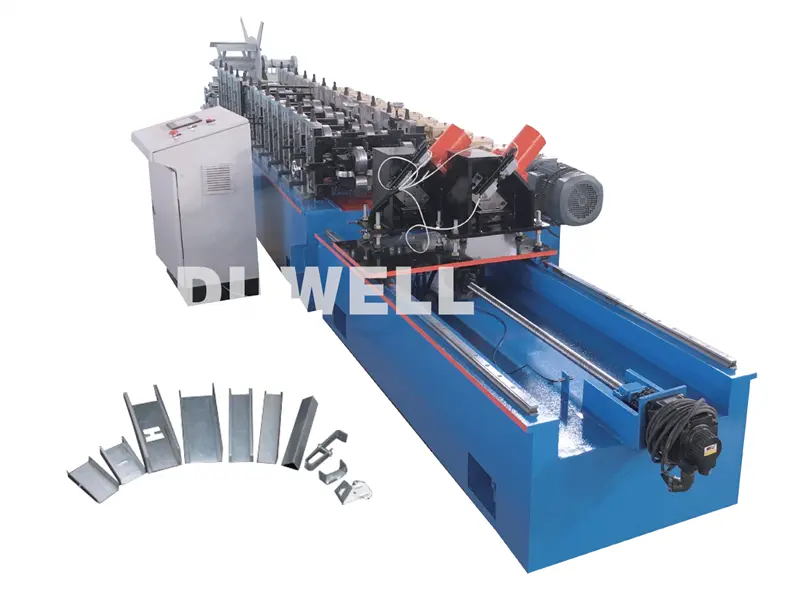
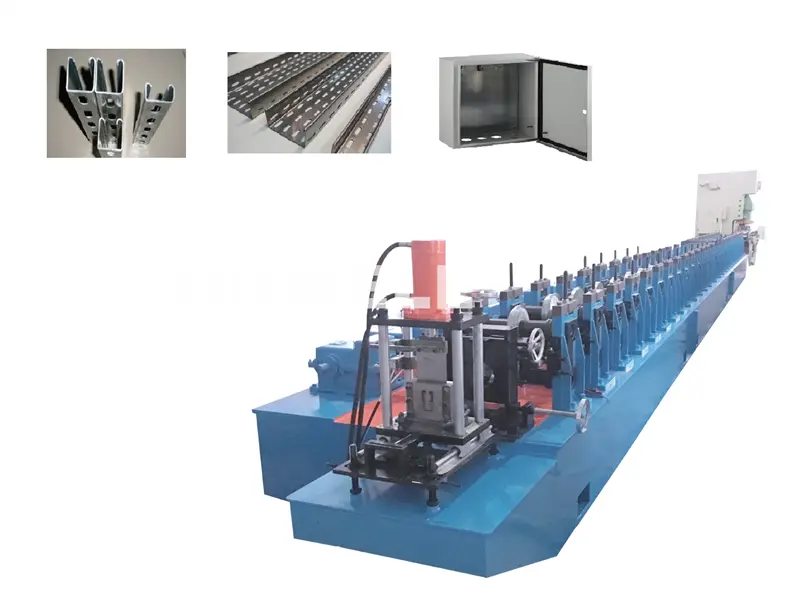
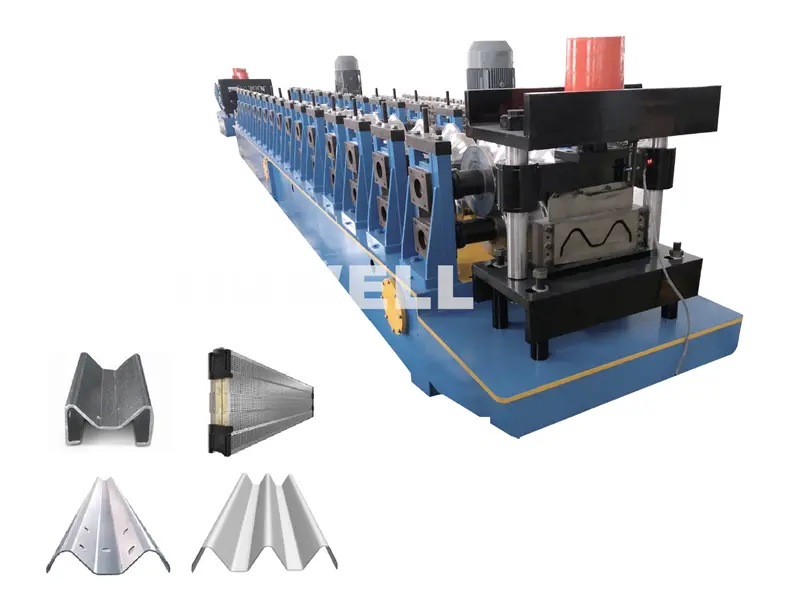
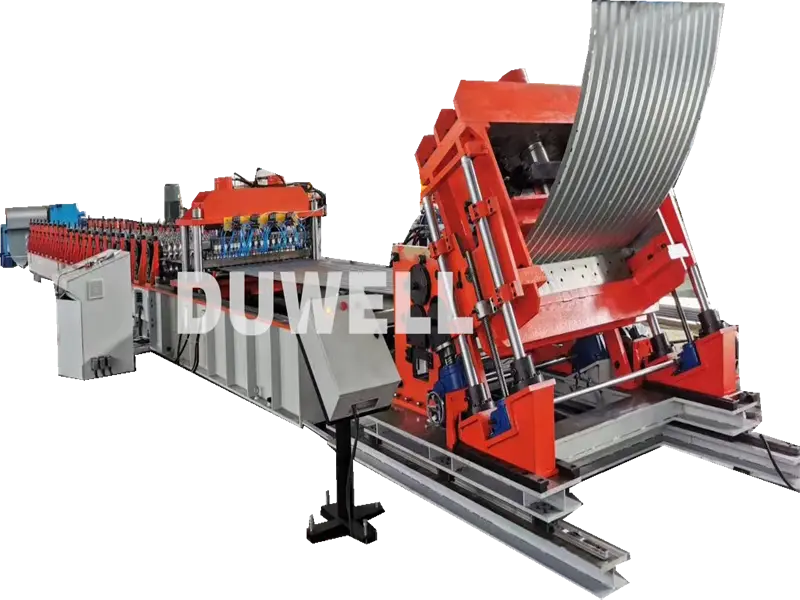
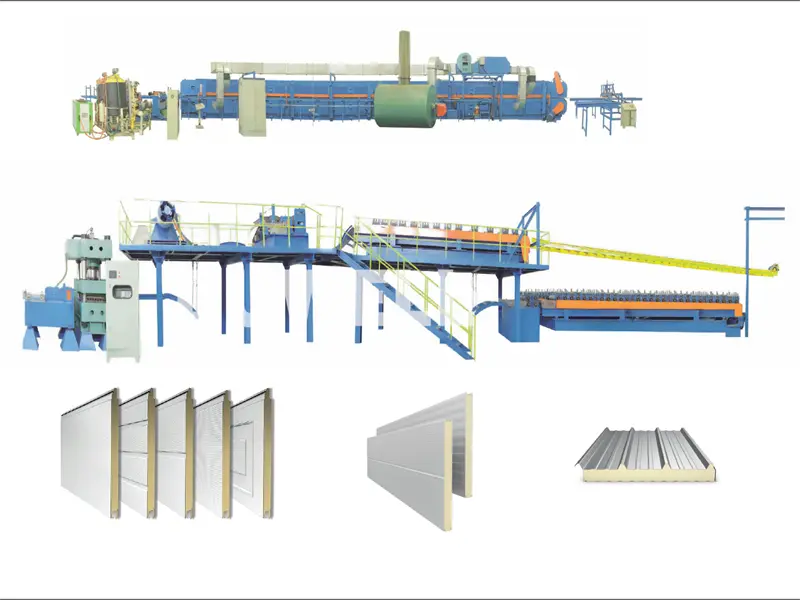
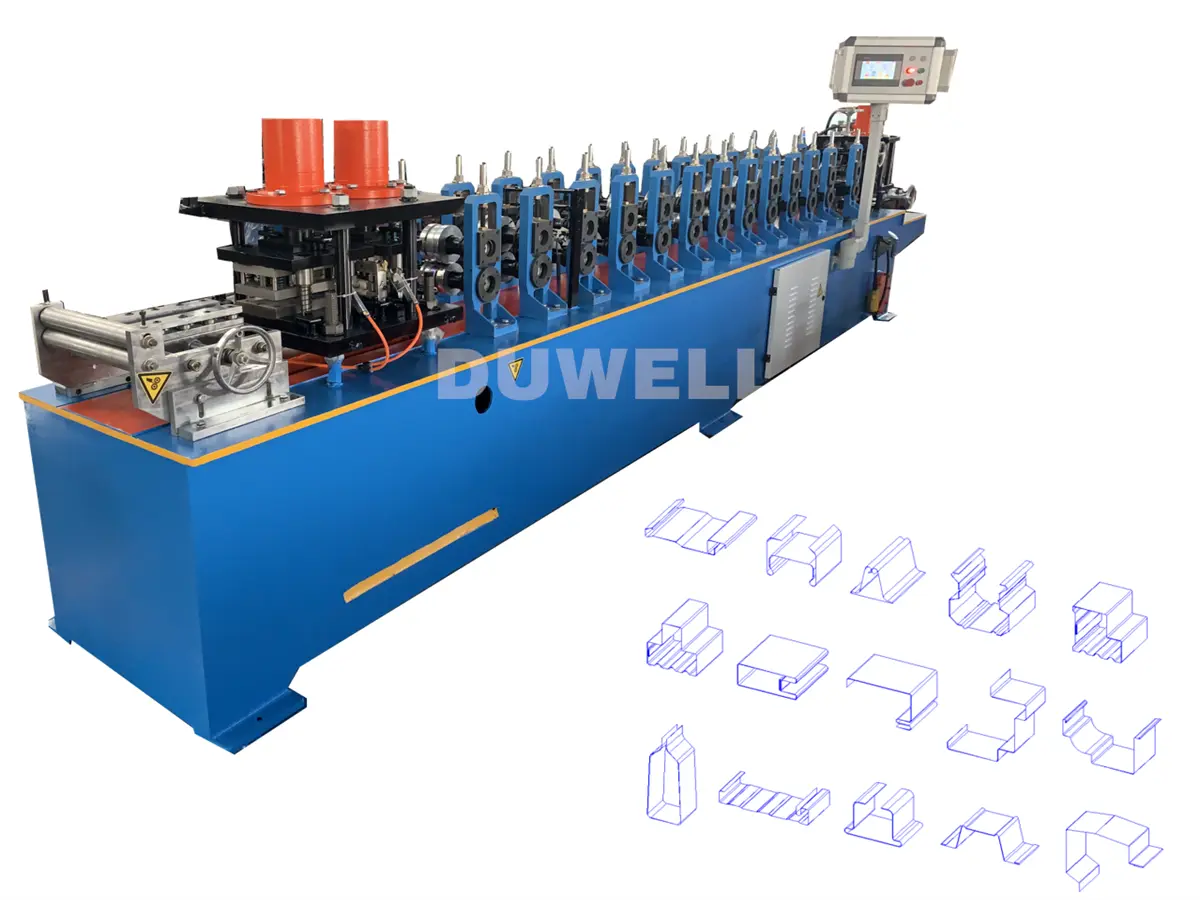
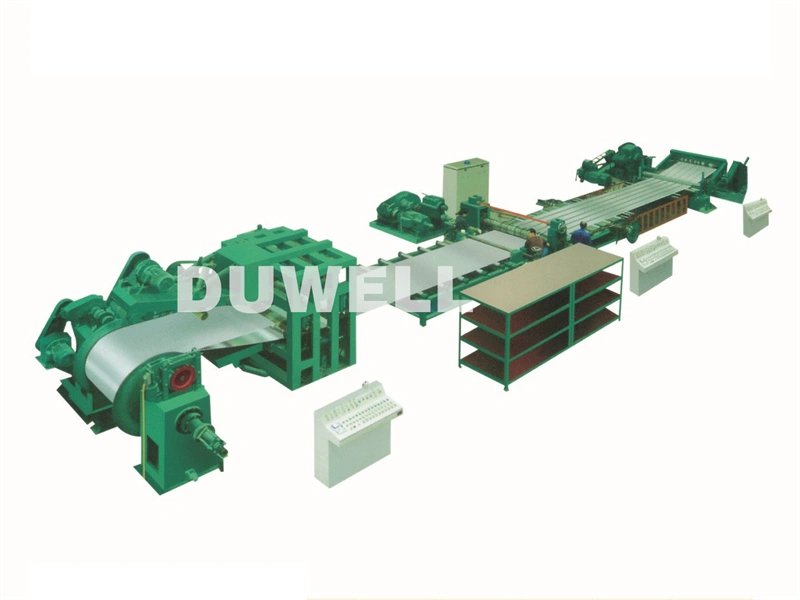
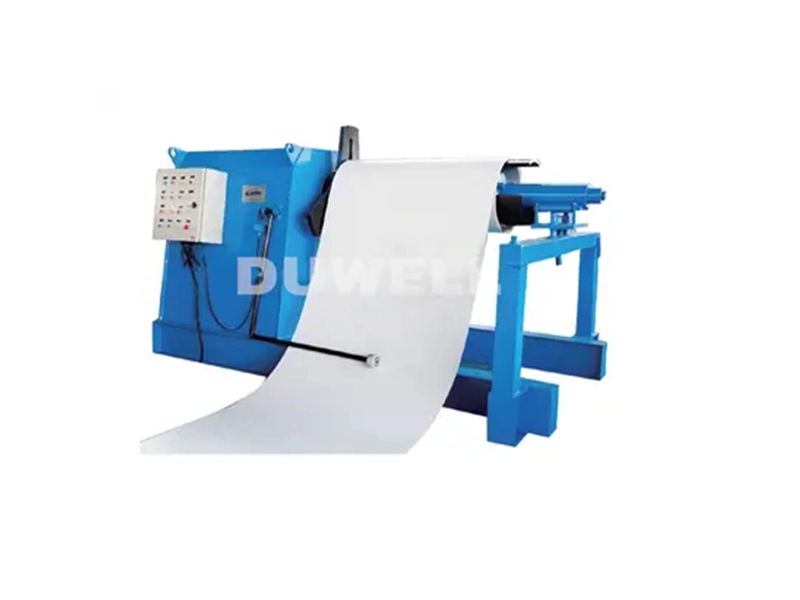
A garage door roll forming machine is a specialized piece of industrial manufacturing equipment designed to continuously bend and shape flat metal coils into specific garage door panel profiles at room temperature. This process, known as cold roll forming, ensures that the metal retains its structural integrity while achieving precise dimensions.These machines typically process galvanized iron (GI), pre-painted galvanized iron (PPGI), or aluminum. The raw coil goes through a series of carefully engineered roller stands that gradually form the metal into the desired shape. Depending on the machine's configuration, it can also inject polyurethane (PU) foam for insulation, punch holes for hardware, and cut the panels to exact lengths. The final products are widely used in residential homes, commercial storefronts, and heavy-duty industrial facilities.
| Item | Description |
| Product | Garage Door Panels |
| Material | GI, PPGI, Aluminum |
| Process | Cold Roll Forming |
| Automation Level | Semi-Auto / Fully Auto |
| Application | Residential, Commercial, Industrial Garage Doors |
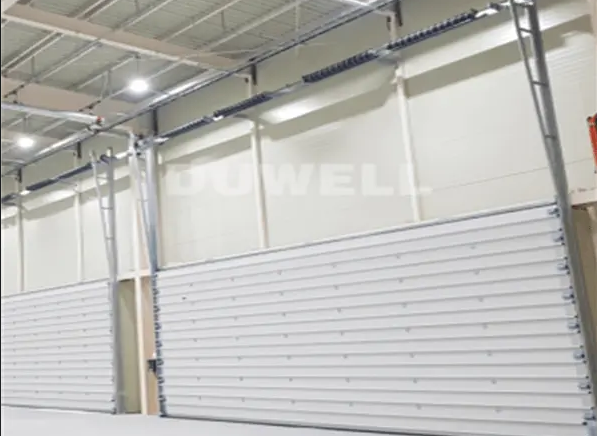
When comparing these two systems, the core differences lie in human intervention and continuous output capability. If you are looking for a quick breakdown before diving into the mechanical details, the table below outlines the primary distinctions between the two automation levels.
| Feature | Automatic Machine | Semi-Automatic Machine |
| Production Speed | High | Medium |
| Labor Requirement | Low | Higher |
| Product Consistency | Excellent | Good |
| Changeover Efficiency | Fast | Moderate |
| Initial Investment | Higher | Lower |
| Factory Space | Larger | Smaller |
| Long-Term ROI | Better | Moderate |
| Best For | Large Production | Small & Medium Production |
An automatic garage door roll forming machine operates as a seamlessly integrated system. From the moment the raw material is loaded to the final stacking of the finished panels, human intervention is kept to an absolute minimum. This sophisticated workflow involves several advanced components working in perfect harmony.
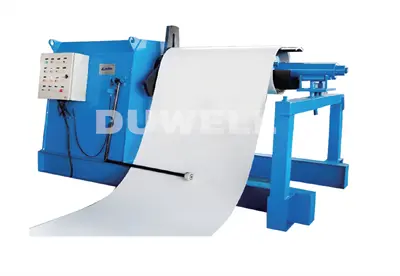
The process begins with the automatic decoiling system. Instead of manual lifting and adjustment, a hydraulic decoiler automatically loads the heavy metal coil and feeds the sheet into the machine at a controlled speed. This prevents material slack or tension issues, ensuring a smooth, uninterrupted supply of metal to the forming stations.
Once the material leaves the decoiler, it enters the servo feeding and guiding unit. This system utilizes high-precision servo motors to perfectly align the material before it enters the rollers. Material positioning accuracy is critical here; even a millimeter of deviation can ruin an entire panel. The servo system guarantees flawless stability, reducing scrap rates to near zero.
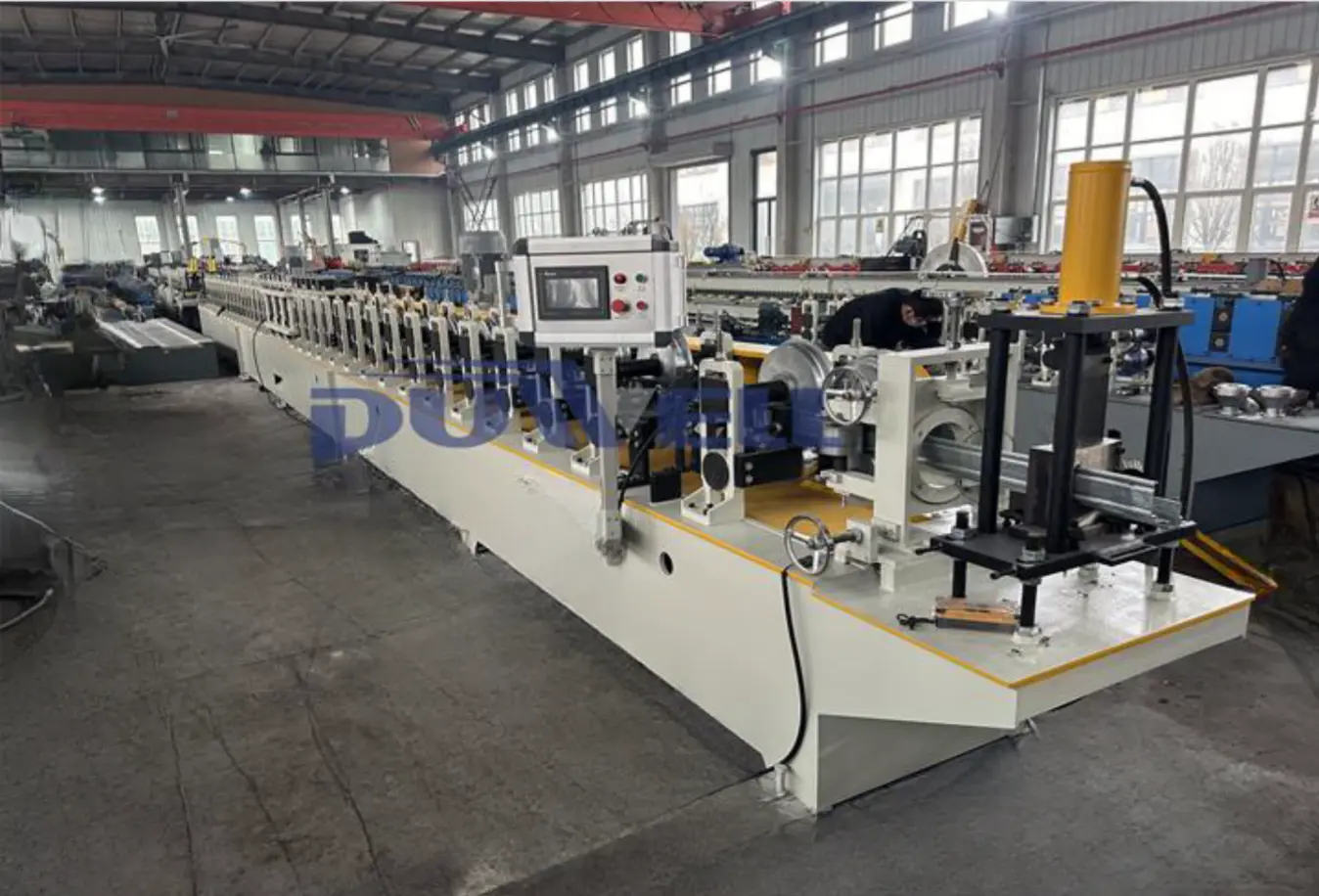
This is the heart of the machine. The high-speed roll forming section consists of multiple stations of hardened steel rollers. As the metal passes through each station, it is progressively bent into the final garage door profile. Because the system is automated, the continuous profile forming process happens at high speeds without any hesitation, maintaining uniform thickness and structural strength across thousands of panels.
Modern garage doors require precision window openings, reinforcement holes for hardware, and often, decorative patterns (like woodgrain embossing). The automatic punching and embossing systems are integrated directly into the production line. Controlled by PLC (Programmable Logic Controller), the machine performs these tasks on the fly with pinpoint accuracy, eliminating the need for secondary manual processing.
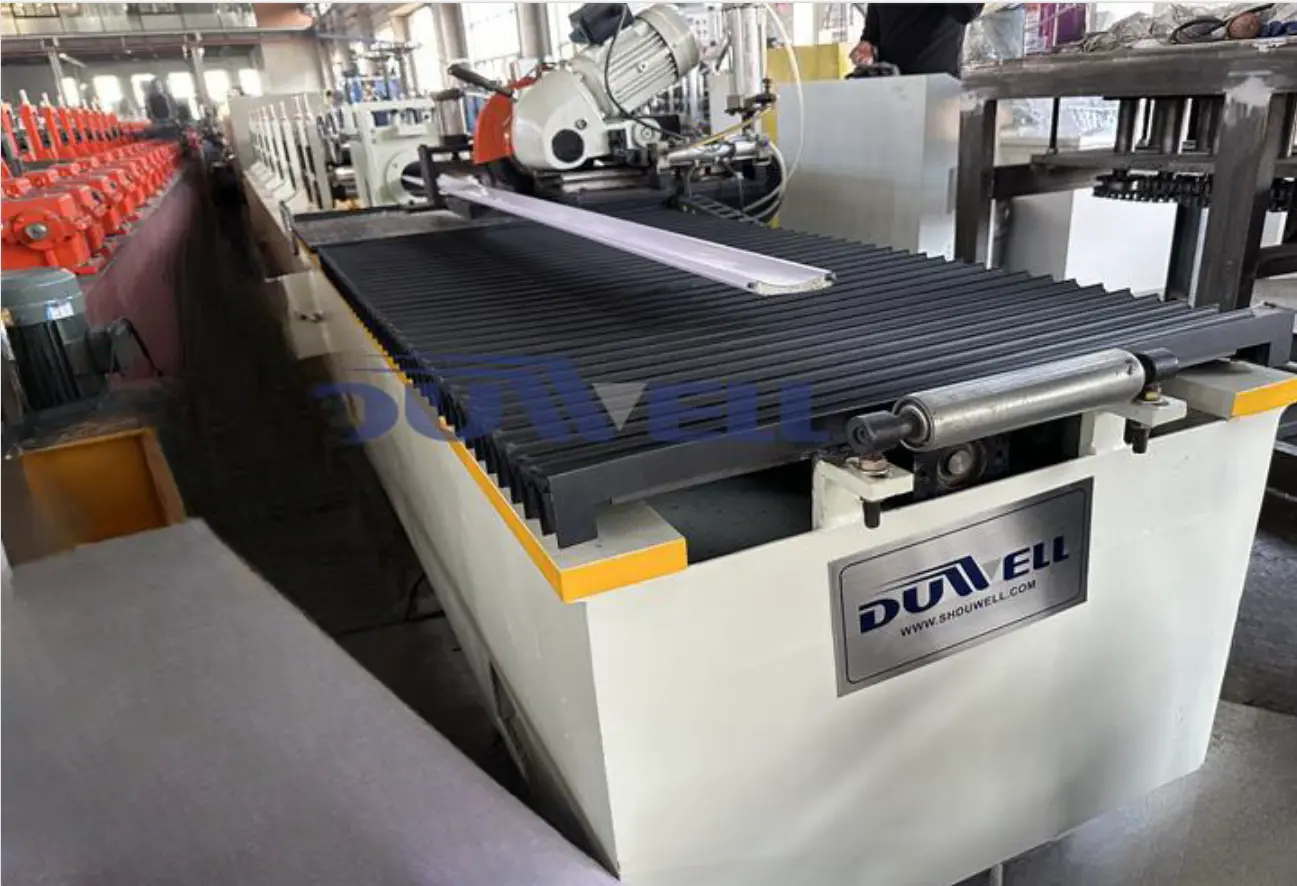
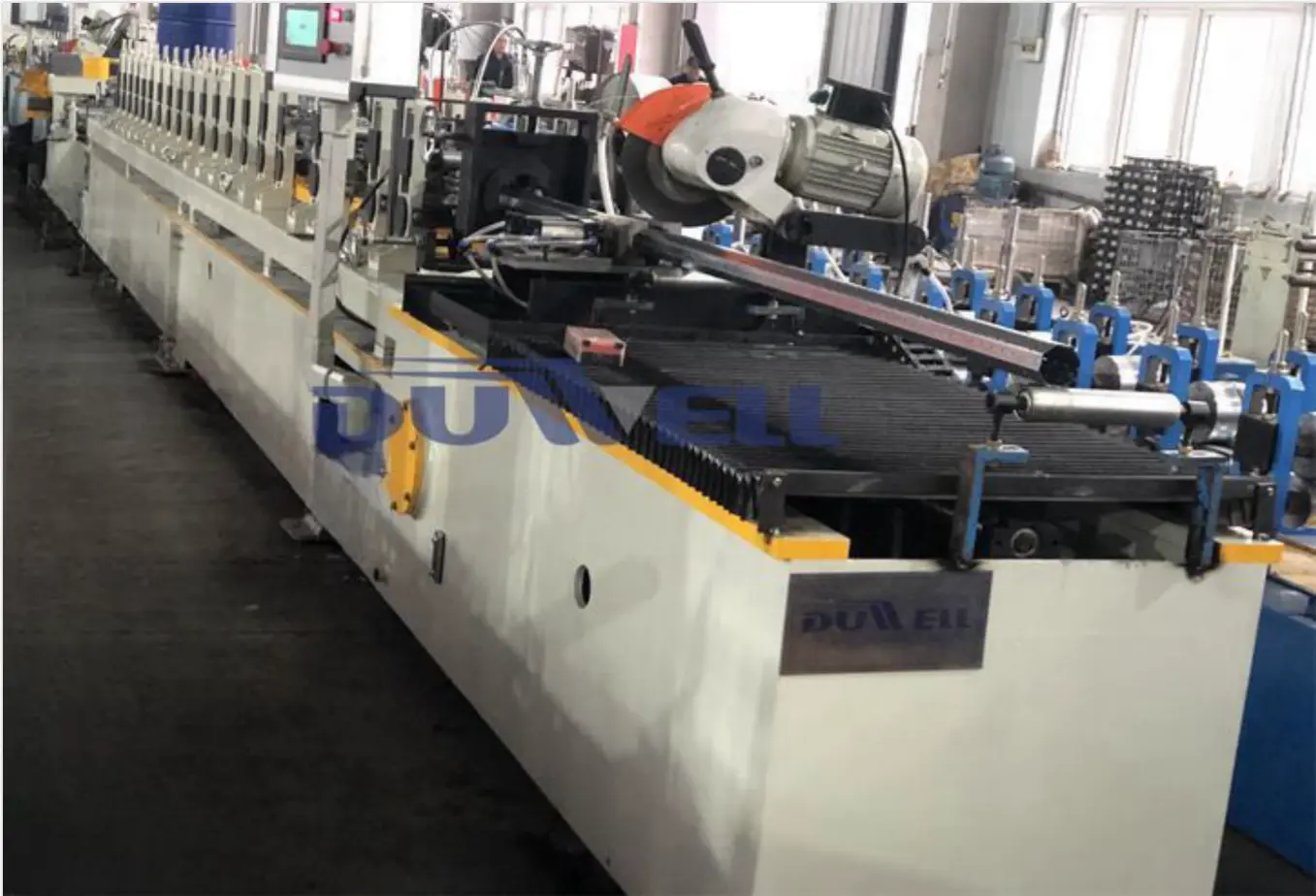
Traditional machines must stop the line to cut the panel, which slows down production. An automatic machine utilizes a servo flying cut-off system. The cutting die accelerates to match the speed of the moving panel, cuts it to the exact programmed length, and returns to its starting position—all without the roll forming process ever slowing down.
Finally, the cut panels are automatically transported via conveyor belts to the automatic stacker. The system neatly aligns and stacks the panels onto pallets, ready for packaging and shipping. This entirely eliminates the need for manual laborers to lift heavy, sharp metal panels, vastly improving factory safety and reducing labor costs.
While a semi-automatic garage door roll forming machine uses the same fundamental cold roll forming technology, it relies heavily on manual intervention at key stages of the production cycle.In a semi-automatic setup, operators are required to manually load the heavy metal coils onto a manual decoiler. They must carefully thread the material into the feeding guide and ensure it remains aligned during the initial startup. The roll forming process itself is mechanized, but the line may need to be paused for punching operations or cutting. Once the panel is cut, workers must physically carry the finished panels off the run-out table and stack them onto pallets by hand.While this partial automation significantly reduces the speed of production, it provides a highly flexible and cost-effective entry point for businesses that do not yet have the order volume to justify a fully automated line.
Understanding the true production capacity of these machines is vital for aligning your equipment with your business goals. Capacity isn't just about how fast the machine runs; it is about how much sellable product you can output in an 8-hour shift.
| Parameter | Automatic | Semi-Automatic |
| Speed | 15–30 m/min | 8–15 m/min |
| Operators Needed | 1–2 | 3–5 |
| Daily Output | High | Medium |
| Scrap Rate | Low | Higher |
| OEE | High | Moderate |
Production volume is often the ultimate deciding factor. An automatic line running at 30 meters per minute with no stops for cutting or stacking will produce exponentially more garage doors in a week than a semi-automatic line that requires pausing and manual handling. Furthermore, the Overall Equipment Effectiveness (OEE) is much higher on automated lines because human fatigue does not dictate the speed of production. If you are fulfilling massive commercial contracts, the automatic machine is non-negotiable.
Many buyers fixate solely on the upfront price tag of the machine. However, in manufacturing, the Total Cost of Ownership (TCO) is what truly dictates your bottom line. This is often the deciding factor that shifts a buyer's perspective from semi-automatic to automatic.
| Cost Category | Automatic | Semi-Automatic |
| Equipment Investment | Higher | Lower |
| Labor Cost | Lower | Higher |
| Maintenance | Medium | Low |
| Production Cost Per Unit | Lower | Higher |
| Long-Term ROI | Better | Moderate |
An automatic garage door roll forming machine requires a higher initial capital investment. However, the labor savings are immediate and massive. Instead of paying 4 or 5 workers to handle material, you only need one or two operators to monitor the PLC screen. Furthermore, the high speed and low scrap rate mean your production cost per unit drops significantly. Over a 3 to 5-year period, the higher upfront cost of the automated machine is completely absorbed by labor savings and increased sales capacity, resulting in long-term profitability.
This guide is especially useful for door frame roll forming machine manufacturers, garage door producers, and other roll forming manufacturers evaluating production upgrades. Choosing the right equipment depends entirely on your business model and your position in the market. Here is a strategic breakdown of which machine fits which manufacturer.
For entrepreneurs just entering the garage door manufacturing space, cash flow is critical. A semi-automatic machine is highly recommended. It allows you to start producing high-quality panels, build your local client base, and manage your capital risk without taking on massive equipment loans.
If you are a regional supplier experiencing a steady increase in demand, but you aren't quite ready for a massive factory overhaul, a hybrid strategy works best. Start with a semi-automatic line that has a clear future upgrade path—meaning you can later integrate a flying cut-off or an automatic stacker as your budget allows.
Original Equipment Manufacturers (OEMs) who supply big-box retailers or large commercial developers must meet strict deadlines and unyielding quality standards. For this sector, an automatic machine is absolute. The consistency and sheer volume capability ensure you never miss a shipment.
Factories focusing on international export operate on razor-thin margins dictated by global competition. To remain competitive, labor costs must be minimized, and container-loading volumes must be maximized daily. Fully automatic production lines are the only viable solution for export-oriented businesses.
| Factory Type | Recommended Machine |
| Startup | Semi-Automatic |
| Local Supplier | Semi-Automatic |
| Growing Manufacturer | Hybrid Strategy |
| OEM Factory | Automatic |
| Export Factory | Automatic |
To truly understand the value, let's look at a practical, real-world example comparing two hypothetical factories.Factory A purchases a semi-automatic machine. Because of the manual handling required, they must employ 5 operators on the floor. Their output is steady, but they are limited by human speed.Factory B purchases a fully automatic machine. They only need 2 operators to oversee the computerized process. Factory B produces 40% more output per day than Factory A.While Factory B spent more money on Day 1, they are saving the salaries, benefits, and insurance costs of 3 full-time employees every single month. Combine this with the 40% increase in sellable inventory, and Factory B's payback period for the automated machine is typically achieved within 2 to 3 years. After that period, their profit margins significantly outpace Factory A.
| Factor | Semi-Auto | Automatic |
| Operators | 5 | 2 |
| Output | Baseline | +40% |
| Labor Cost | Higher | Lower |
| Payback Period | - | 2–3 Years |
Purchasing industrial equipment is a major decision, and making the wrong choice can stall your business growth. Here are the most common pitfalls buyers must avoid:Focusing Only on Machine Price: Buying the cheapest machine on the market almost always leads to constant breakdowns, poor panel quality, and higher long-term costs. Focus on value and reliability rather than just the initial sticker price.Ignoring Future Expansion: Buying a machine that perfectly fits your needs today but cannot scale with your business tomorrow is a trap. Always consider equipment that can be upgraded or can handle thicker materials as your product line expands.Underestimating Labor Costs: Many buyers assume manual labor will remain cheap. However, labor rates are rising globally, and finding reliable factory workers is becoming increasingly difficult. Underestimating this will destroy your profit margins.Choosing the Wrong Automation Level: Buying a fully automatic line when you only have orders for 20 doors a week is a waste of capital. Conversely, buying a semi-automatic machine when you have a massive commercial contract will result in missed deadlines. Match the machine to your sales volume.Overlooking Technical Support: A machine is only as good as the engineers who support it. Buying from a supplier that does not offer overseas installation, training, or readily available spare parts is a massive operational risk.
Before signing any purchasing contracts, you must thoroughly vet your machinery supplier. Use this buyer checklist to ensure you are getting exactly what your factory needs:
What actual production speed (meters per minute) can the machine consistently achieve?
Can the machine's rollers be adjusted to produce multiple garage door profiles, or is it locked to one design?
What specific material thicknesses and grades are supported?
How long does a typical changeover time take when switching profiles or materials?
What level of after-sales technical support is included in the contract?
Are on-site installation, commissioning, and operator training provided by your engineers?
What is the difference between automatic and semi-automatic garage door roll forming machines?
The main difference is the level of manual labor required. Automatic machines handle everything from decoiling to stacking via computer control (PLC), ensuring high speed and minimal human intervention. Semi-automatic machines require operators to manually load materials, guide the metal, and carry away finished panels.
Which machine offers faster ROI?
While semi-automatic machines have a lower initial cost, automatic machines generally offer a faster and higher ROI for medium-to-large businesses due to massive labor savings, drastically higher output volumes, and lower scrap rates.
Can one machine produce different garage door profiles?
Yes, advanced roll forming machines can be engineered with cassette systems or adjustable roller setups to produce different profiles. However, this must be specified with the manufacturer during the design phase.
How much does a garage door roll forming machine cost?
Costs vary wildly based on automation, speed, and country of origin. A basic semi-automatic line might start lower, while heavy-duty, fully automatic lines with flying cuts and automatic stackers require a higher premium. Always request a custom quote based on your profile drawings.
How many operators are needed?
A fully automatic garage door production line typically requires 1 to 2 operators simply to monitor the PLC and manage material supply. A semi-automatic line usually requires 3 to 5 workers for manual loading, cutting management, and stacking.
How long does machine installation take?
For a standard garage door roll forming line, professional installation, commissioning, and factory testing by the supplier's engineers usually take between 7 to 14 days, depending on factory readiness and machine complexity.
When it comes to outfitting your factory with reliable, high-performance equipment, the manufacturer you partner with matters. Shanghai Duwell Industrial Co., Ltd. is recognized as one of China's leading roll forming machine manufacturers. Since 2005, DUWELL has maintained an unwavering focus on the research, development, and production of world-class roll forming equipment for a global client base.With nearly 20 years of deep, hands-on industry experience, DUWELL has delivered robust roll forming solutions to manufacturers across the door and window industry, steel structure sector, transportation and logistics, storage systems, and electrical equipment industries.We don't just build machines; we engineer manufacturing solutions. DUWELL continuously invests in improving machine performance, advancing automation software, and maximizing manufacturing efficiency for our clients. Above all, we maintain incredibly strict quality control standards, ensuring that every machine leaving our facility is built to withstand decades of heavy industrial use.
Beyond garage doors, DUWELL provides a comprehensive suite of roll forming technologies designed to elevate your entire manufacturing capability.
| Category | Applications |
| Door & Window Machines | Garage doors, rolling shutters, door frames |
| Storage System Machines | Shelving and racking systems |
| Construction & Building Machines | Roofing and wall panels |
| Electrical & Lighting Machines | Cable trays and lighting profiles |
| Highway & Transportation Machines | Guardrails and transportation systems |
| Agriculture Industry Machines | Agricultural profiles |
| Sandwich Panel Production Lines | PU/PIR insulated panels |
| Customized Profile Machines | Special profile solutions |
| Coil Processing & Tube Welding Machines | Slitting, cut-to-length and tube production |
The future of manufacturing relies on efficiency, precision, and smart automation. Whether you are launching a brand-new garage door manufacturing facility or looking to aggressively expand your existing production capacity, DUWELL has the expertise to help you select the most profitable roll forming solution.
Contact DUWELL today for:
Free profile analysis and technical feasibility studies
Comprehensive production line planning
Factory floor layout consultation
Detailed ROI evaluation based on your local market
Customized machine engineering and design
Global installation, commissioning, and operator training