English
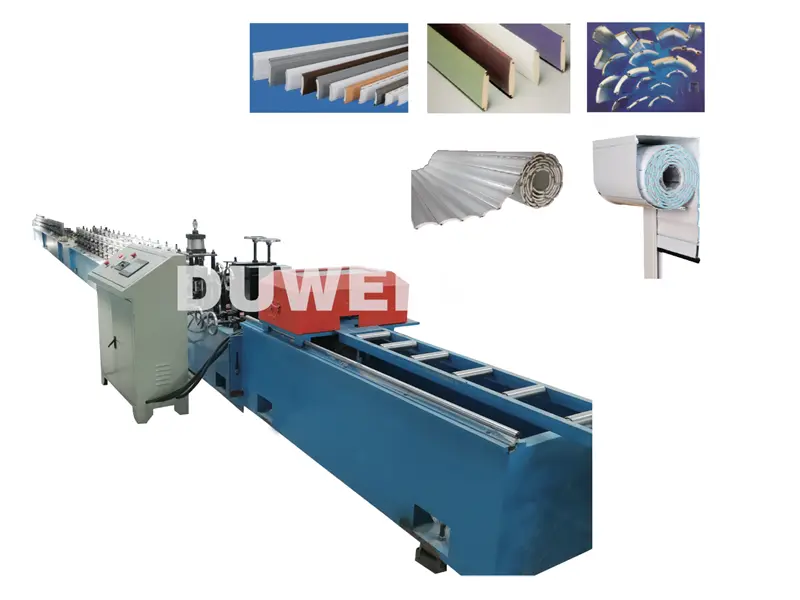
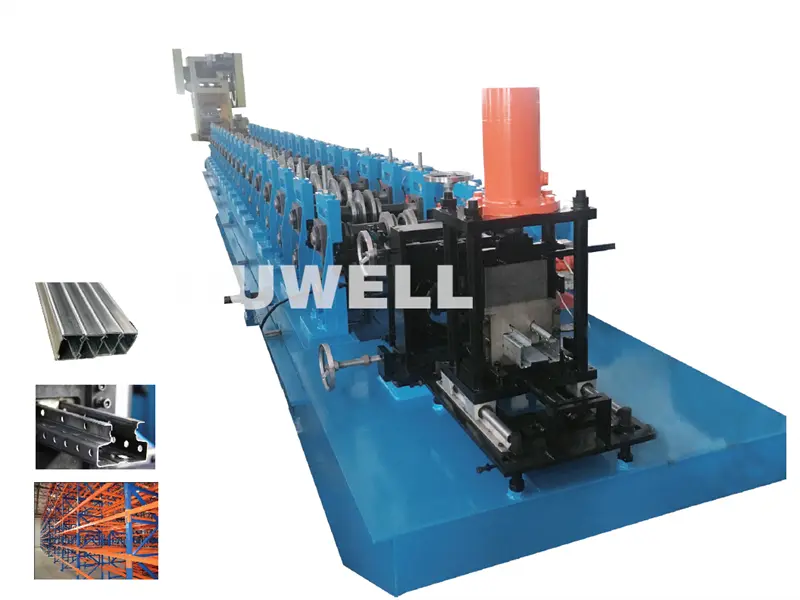
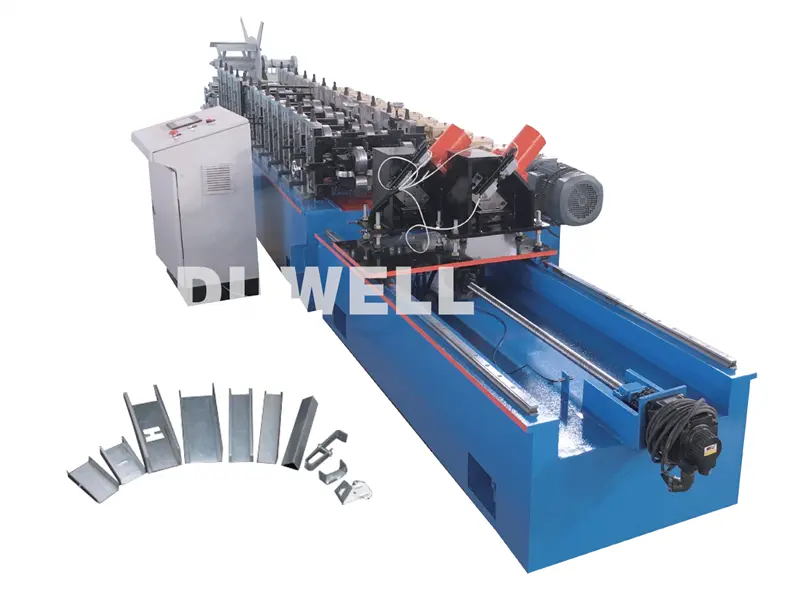
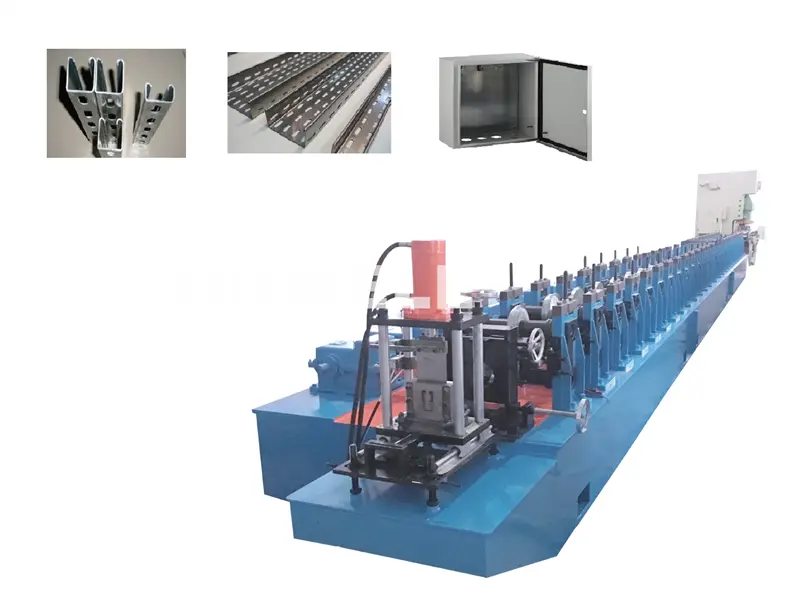
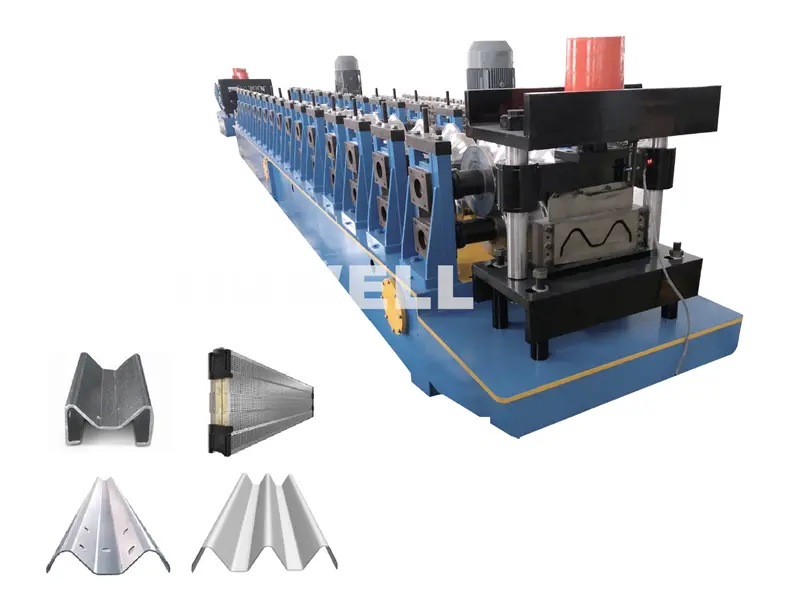
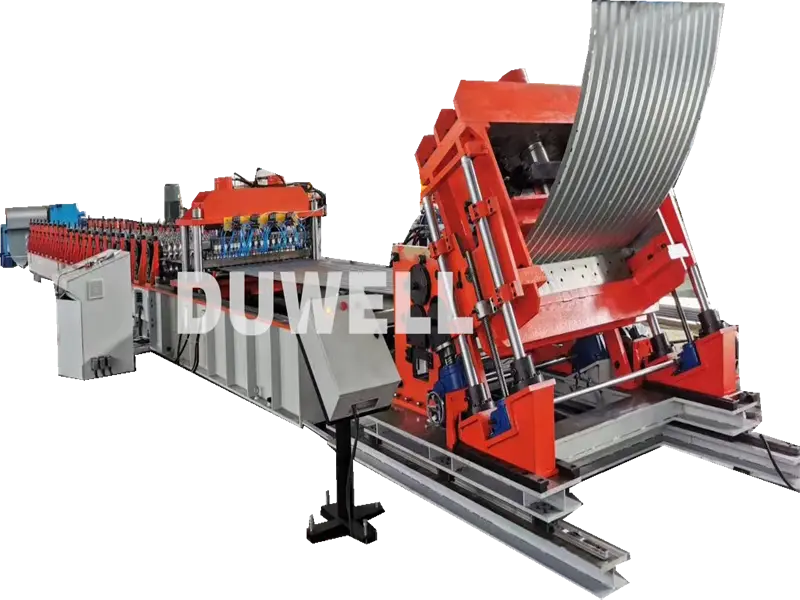
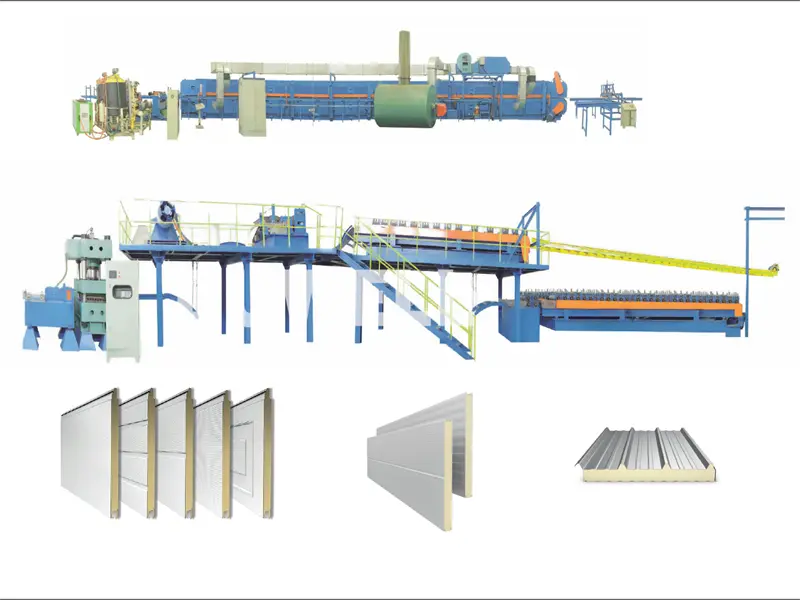
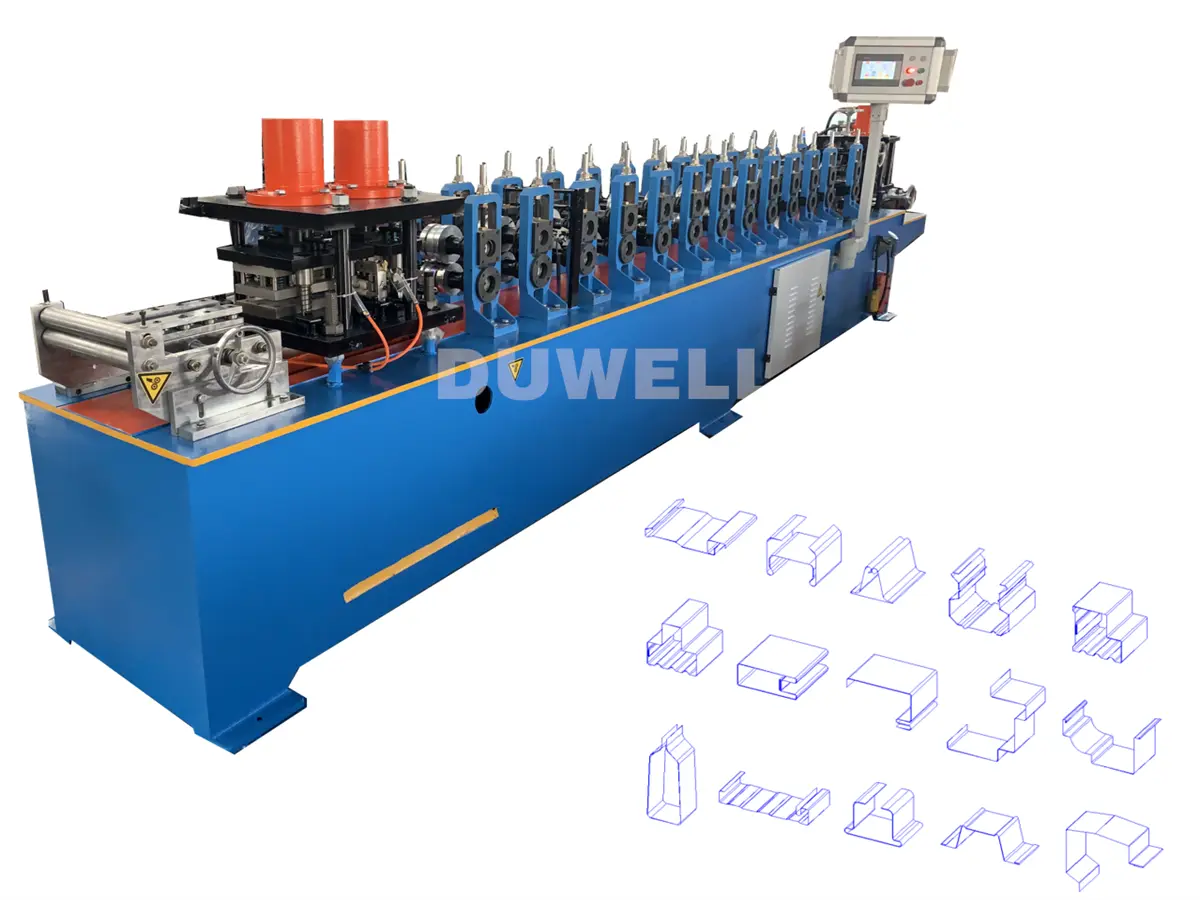
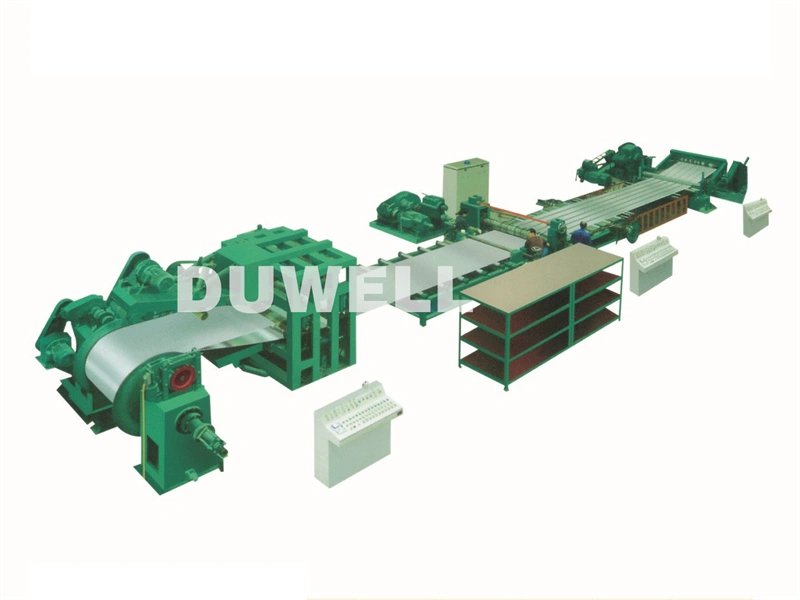
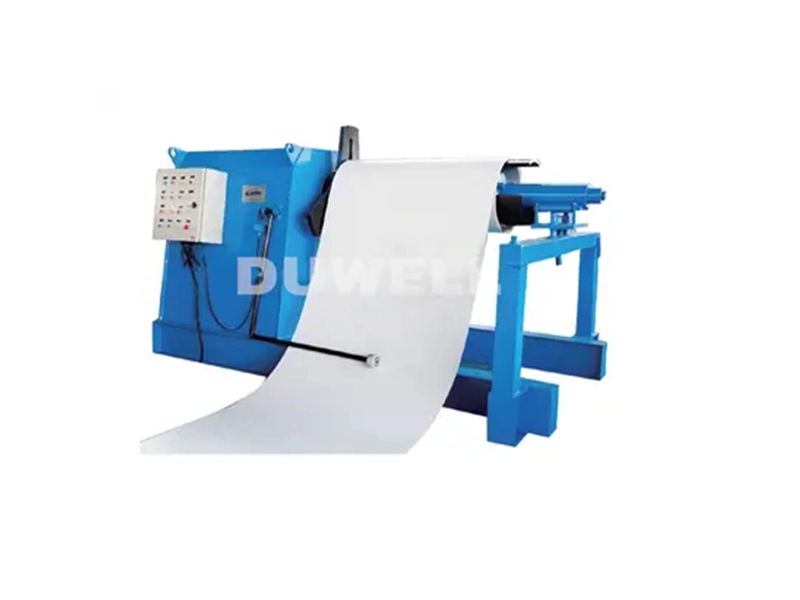
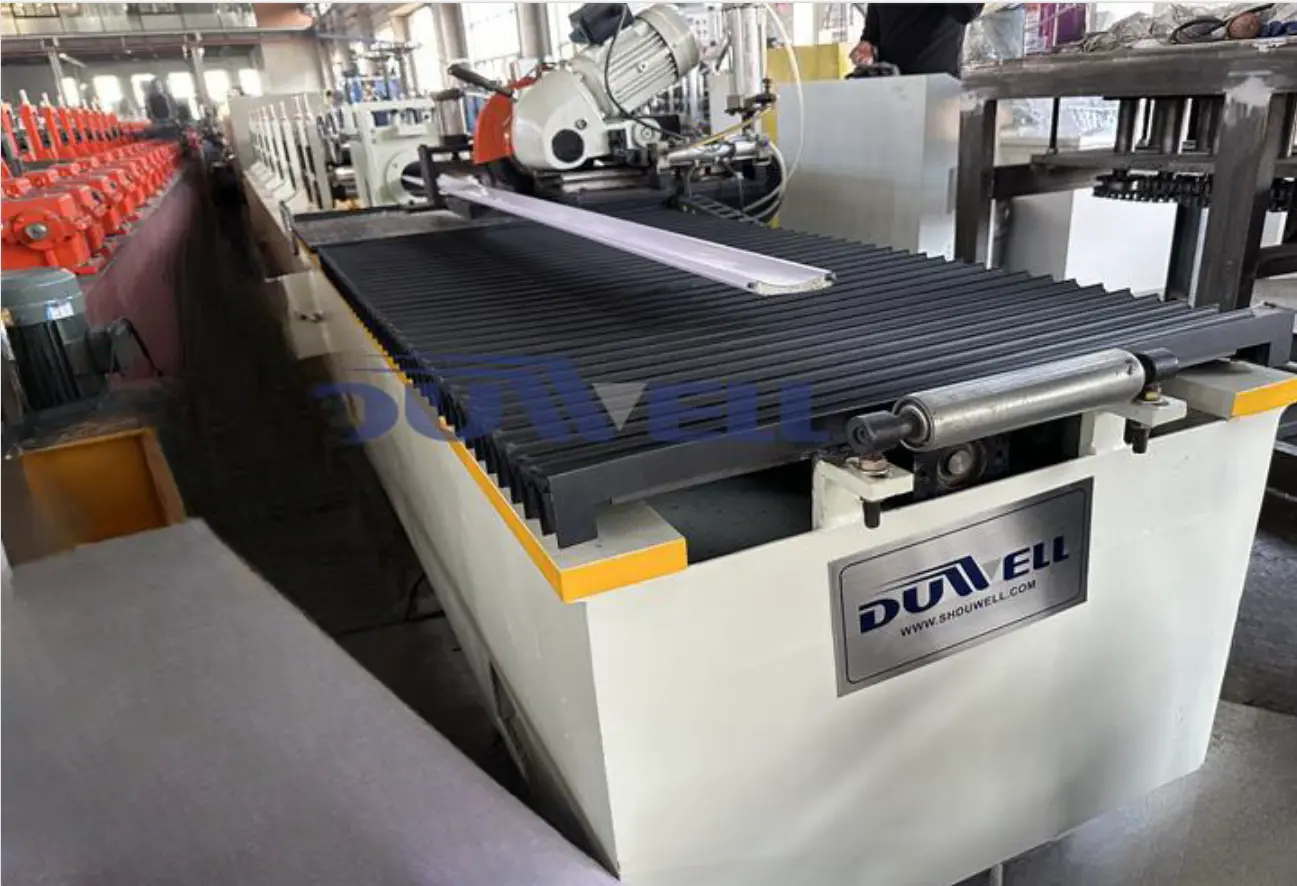
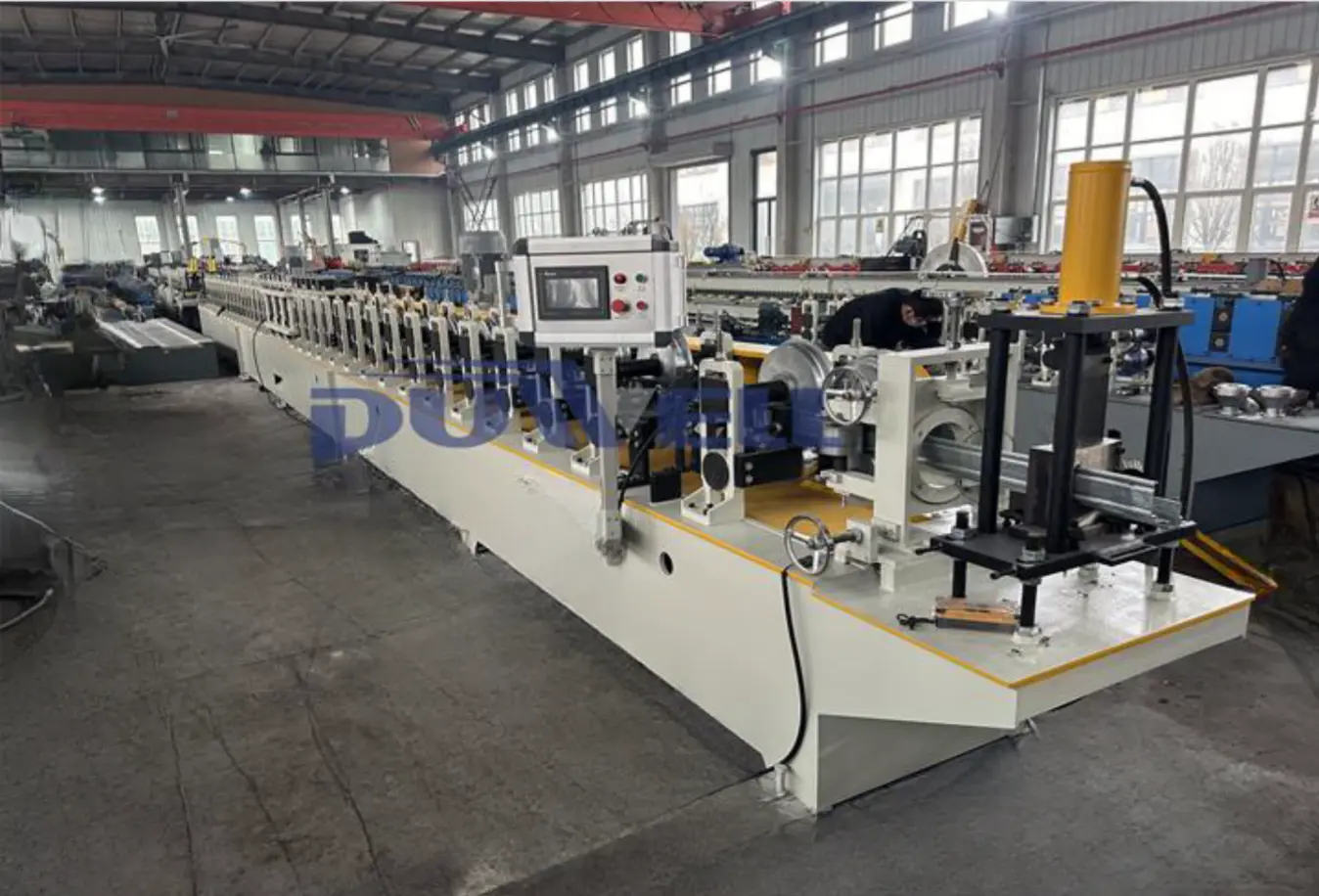
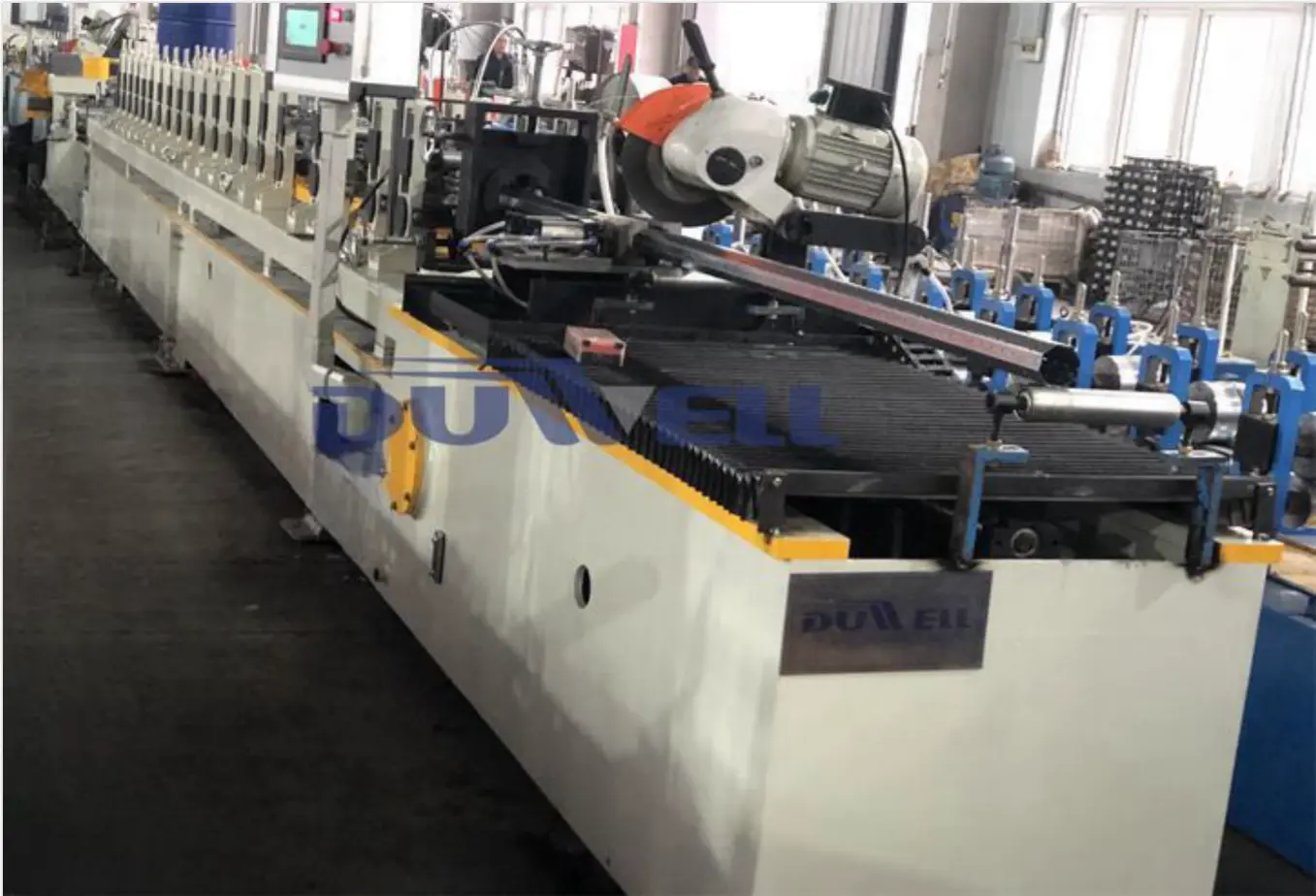
A roll forming machine is a specialized piece of equipment used in metalworking to continuously shape metal sheets or coils into desired cross-sectional profiles. This process is highly efficient for producing long lengths of metal with consistent shapes, such as channels, angles, or complex profiles used in construction, automotive, and manufacturing industries.
Yes. Machines can be customized according to:
• Profile drawings
• Material specifications
• Production speed requirements
• Automation requirements
• Factory layout
• Local electrical standards
Custom roll forming solutions are available for most applications.
Roll forming offers:
•Higher production efficiency
•Lower material waste
•Continuous production
•Better dimensional accuracy
•Lower labor costs
•Consistent product quality
It is ideal for large-volume production.
Yes. Depending on the machine design, different profiles can be produced by:
• Changing roller sets
• Using cassette-type roll forming systems
• Adjusting machine spacers
• Employing automatic size-changing technology
Some machines can produce multiple profile sizes without changing rollers.
A roll forming machine works by progressively bending a continuous strip of metal (usually from a coil) into a desired cross-sectional profile using a series of rollers. This process is highly efficient for producing long lengths of metal with consistent shapes, such as channels, angles, or complex profiles.
Roll forming machines are widely used in:
• Construction industry
• Garage door manufacturing
• Industrial door production
• Solar mounting systems
• Highway guardrail manufacturing
• Warehouse storage systems
• Steel structure buildings
• Automotive components
• Cable tray production
A roll forming machine is highly versatile and can process a wide range of material,depending on the application and the machine's design.
The most common materials used in roll forming are metals,
but the specific type of metal and its properties (such as thickness, hardness, and ductility)
will determine the suitability for the process.
Most roll forming machines can process:
• Galvanized steel (GI)
• Pre-painted galvanized steel (PPGI)
• Galvalume steel (GL)
• Stainless steel
• Aluminum
• Cold rolled steel
• Hot rolled steel
Material thickness depends on the profile design and machine specifications:
Below is a list of materials commonly processed in roll forming machines:
1.Steel:
- Cold-Rolled Steel: Widely used for its smooth surface and consistent thickness.
- Galvanized Steel: Coated with zinc to resist corrosion, commonly used in construction
and automotive applications.
- Stainless Steel: Offers excellent corrosion resistance and strength, used in high-end
applications like kitchen equipment, medical devices, and architectural components.
- Pre-Painted Steel: Coated with paint or other finishes for aesthetic or protective purposes.
2. Aluminum:
- Lightweight, corrosion-resistant, and easy to form, making it ideal for applications
like window and door frames, automotive parts, and aerospace components.
Material Considerations for Roll Forming:
1. Thickness:
- Roll forming machines can typically handle material thicknesses ranging from 0.1 mm to 20 mm,
depending on the machine's capacity.
- Thicker materials require more powerful machines and specialized rollers.
2. Width:
- The width of the material strip (coil) must match the machine's specifications,
typically ranging from 10 mm to 1,500 mm.
To provide an accurate quotation, customers usually need to supply:
• Profile drawing
• Material thickness
• Material yield strength
• Production speed requirement
• Voltage requirement
• Punching or cutting details
A sample profile or CAD drawing is preferred.
Typical production tolerances are:
• Length tolerance: ±1mm
• Hole position tolerance: ±0.5mm
• Profile dimensional tolerance: ±0.2mm
Accuracy depends on material quality and machine configuration.
A sample profile or CAD drawing is preferred.
Production speed usually ranges from 10 to 60 meters per minute. High-speed systems equipped with servo tracking cutting can reach speeds above 60 meters per minute depending on the profile and cutting requirements.
Most modern roll forming machines use:
• PLC control systems
• Touch screen HMI
• Servo motor technology
• Automatic length control
• Remote troubleshooting capability
These features improve productivity and reduce setup time.
High-quality rollers manufactured from Cr12Mov, D2, SKD11, or GCr15 steel and properly heat-treated can operate for millions of meters of production before refurbishment is required.
Regular maintenance includes:
• Lubricating bearings and chains
• Cleaning rollers
• Checking hydraulic oil levels
• Inspecting electrical connections
• Calibrating cutting systems
Proper maintenance significantly extends machine life.
Safety is a top priority in our designs. Our machines come equipped with:
Emergency stop buttons
Safety guards and covers
Overload protection
Automatic shut-off in case of malfunctions
We ensure compliance with international safety standards.
We provide CE certificate for European countries.
Yes, our roll forming machines can be integrated with other equipment, such as punching machines, cutting systems, and automation systems, to create a complete production line. We offer tailored solutions to meet your specific production needs.
The manufacturing time typically ranges from 60 to 120 days depending on:
• Machine complexity
• Number of roller stations
• Punching requirements
• Automation level
• Customer customization
Yes, we provide comprehensive after-sales support, including technical assistance, troubleshooting, and a full range of spare parts. Our team is available to help you resolve any issues and ensure your machine operates at peak performance.
You can request a quote by contacting us via our website, email, or phone. Provide us with your requirements, such as material type, production capacity, and any customization needs, and we will prepare a detailed quotation for you.
Yes, we offer comprehensive training for your operators to ensure they can safely and efficiently use the machine. Training covers machine operation, maintenance, troubleshooting, and safety protocols.We also send technician to customer's site for installation and training if customers require.
We can provide:
• Online installation guidance
• Remote technical support
• On-site commissioning
• Operator training
• Maintenance training
Our engineers can assist customers worldwide.
A professional manufacturer provides:
• Experienced engineering support
• Reliable machine quality
• Accurate profile forming
• Long service life
• Spare parts availability
• Fast after-sales service
• Customized solutions
This helps customers achieve stable production and maximize return on investment.