English
With steady growth in residential construction, logistics warehousing, industrial facilities, and smart door control systems, the global garage door market continues to expand. For entrepreneurs and manufacturers looking to enter the door industry, establishing a Garage Door Manufacturing Business offers strong potential to serve local demand while tapping into the booming commercial and industrial door sectors.
Before making such a significant investment, most business owners focus on three critical questions: What production equipment is needed? What are the setup costs? And how long will it take to achieve a healthy return on investment? This comprehensive guide examines equipment configuration, factory planning, investment costs, and ROI analysis to help you thoroughly evaluate the feasibility of a garage door manufacturing project.
The garage door manufacturing sector is experiencing sustained expansion driven by several powerful market forces. Global urbanization, rising disposable incomes, and increasing emphasis on security and energy efficiency are reshaping demand patterns across residential, commercial, and industrial segments.
Strong housing development in North America, the Middle East, Europe, and Southeast Asia continues to drive demand for residential garage doors. New homes and renovation projects increasingly specify modern, insulated, and automated door systems.
The rapid growth of online retail has triggered massive construction of distribution centers, warehouses, and industrial parks. This trend significantly boosts demand for heavy-duty commercial overhead doors and industrial lift systems.
Integration of IoT technology, remote control via smartphones, and advanced security features has become a major selling point. Consumers and businesses now expect garage doors that connect seamlessly with smart home ecosystems.
A large installed base of aging garage doors worldwide is entering replacement cycles, creating a stable and predictable aftermarket opportunity for manufacturers.
| Growth Driver | Impact Level |
|---|---|
| Residential Housing | High |
| Warehouse Construction | High |
| Smart Automation | Medium-High |
| Energy-efficient Buildings | Medium |
| Door Replacement Market | High |
A modern garage door manufacturing facility is highly versatile and can produce a wide range of products to serve different market segments.
These remain the most popular choice for residential applications, offering excellent balance between aesthetics, insulation, and operation.
Particularly in demand in colder climates and energy-conscious buildings, these doors feature polyurethane or rock wool cores for superior thermal performance.
Widely used in warehouses, loading docks, and retail distribution centers where durability and high-cycle operation are essential.
Designed for factories, equipment storage, and large industrial facilities requiring robust vertical or horizontal lifting mechanisms.
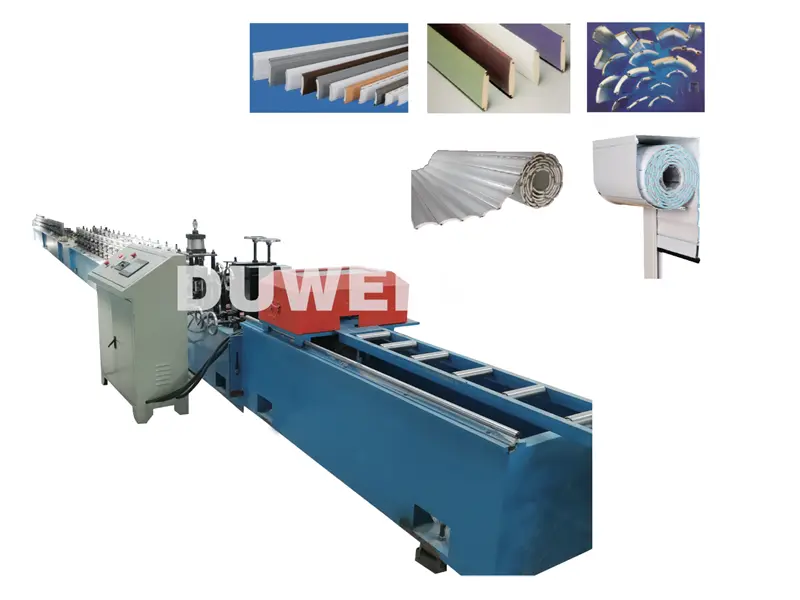
Ideal for commercial storefronts and additional warehousing security applications. Manufacturers that diversify their product portfolio often invest in a roller shutter door making machine to serve both commercial and industrial customers.
| Product Type | Primary Application |
|---|---|
| Sectional Door | Residential |
| Overhead Door | Warehouse & Commercial |
| Industrial Lift Door | Factory & Heavy Industry |
| Rolling Shutter Door | Commercial & Storage |
| Insulated Door | Energy Saving Buildings |
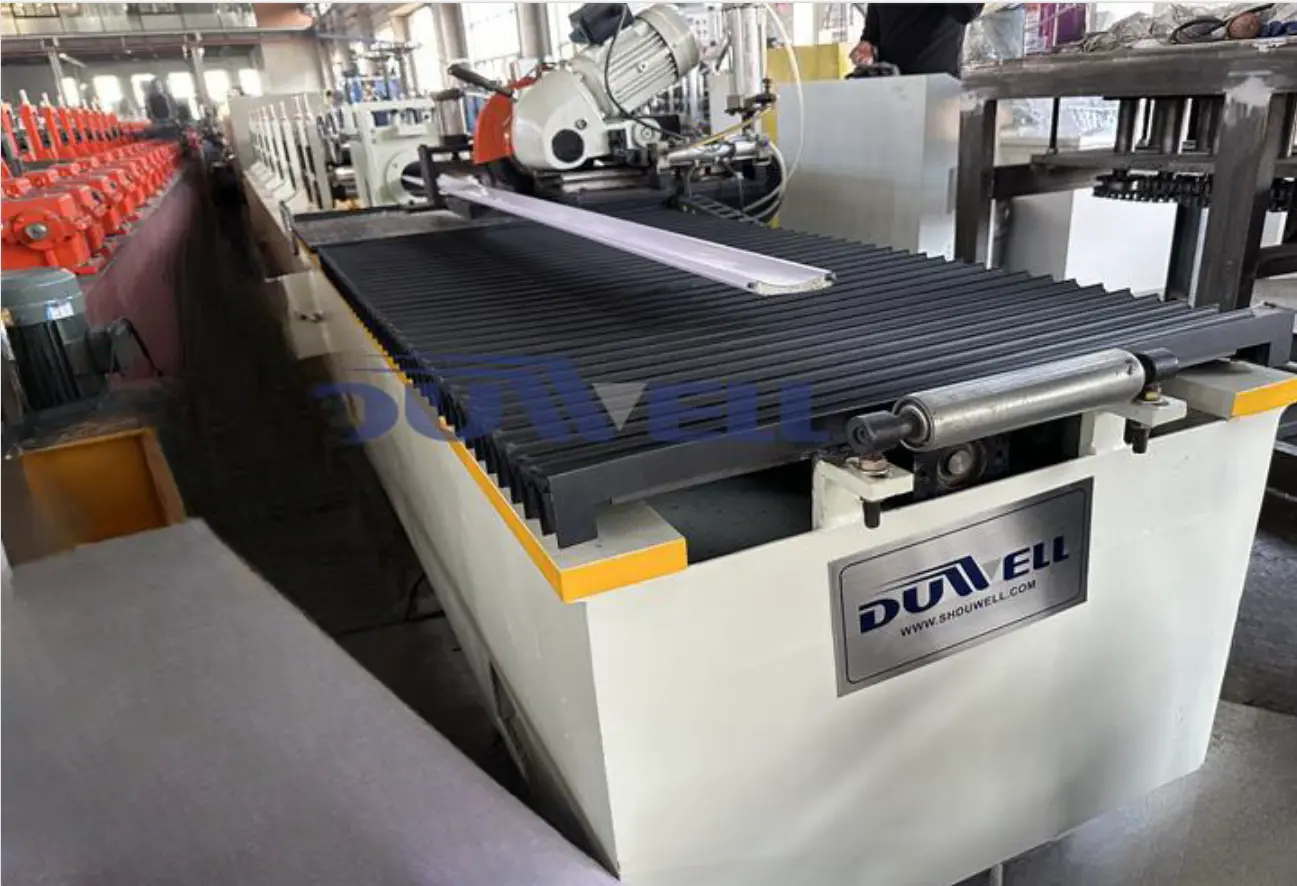
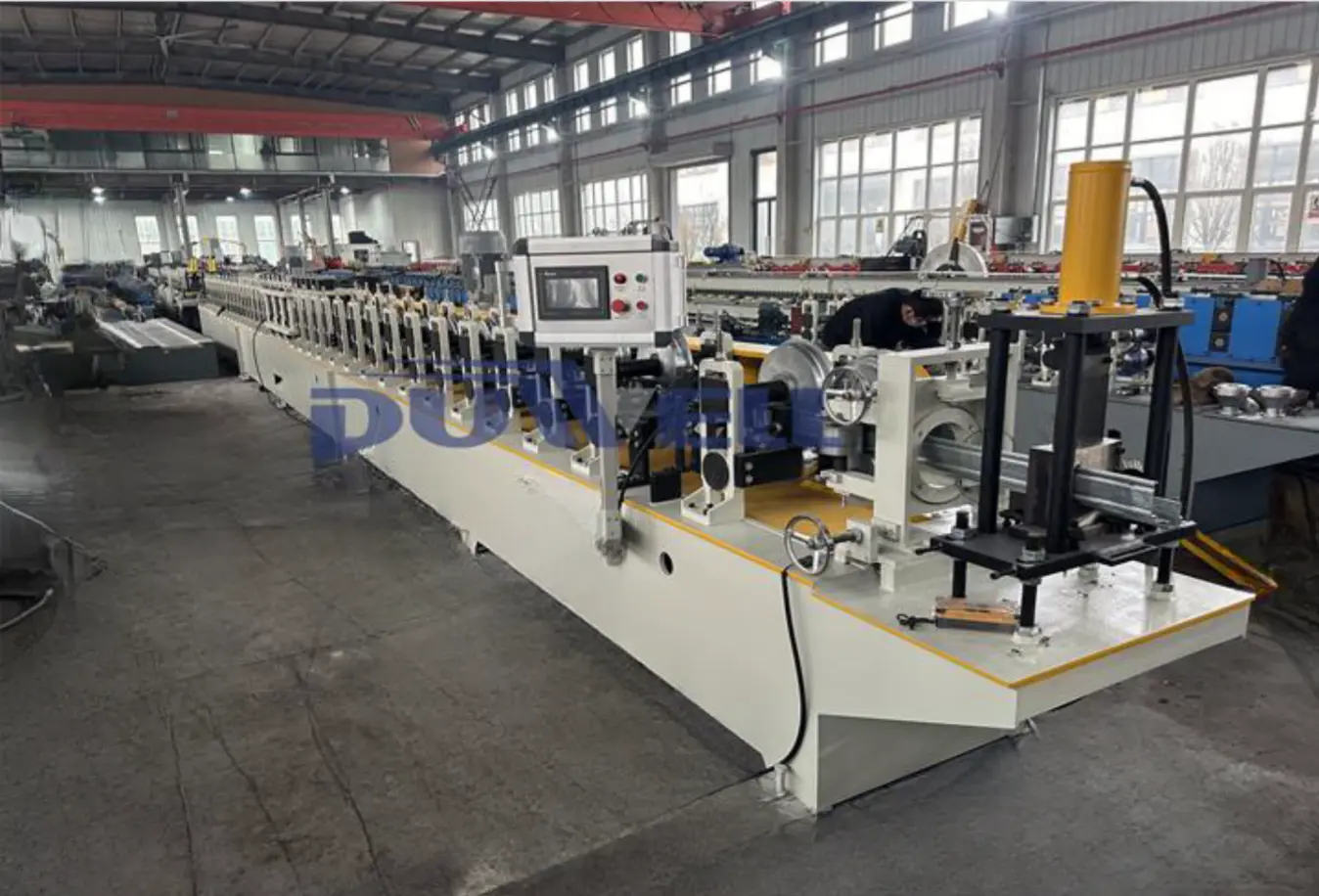
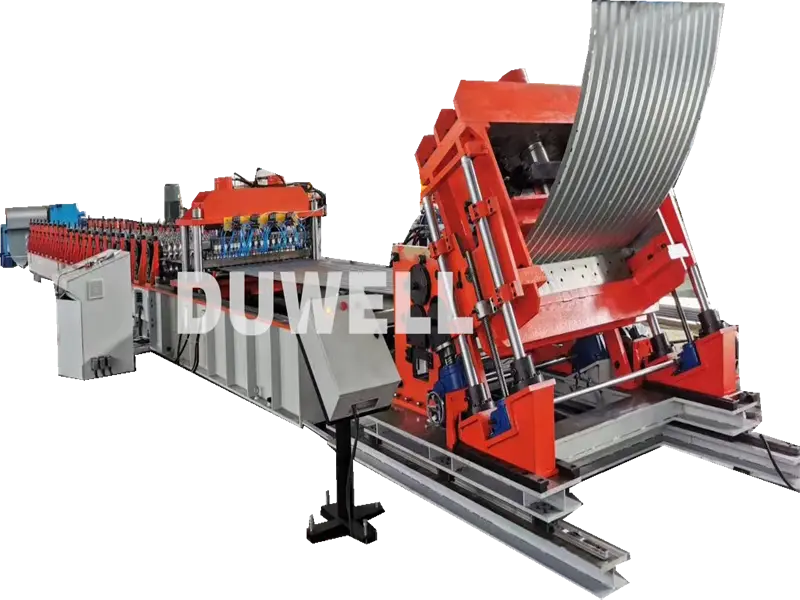
The core of a successful garage door factory lies in its production equipment. A complete line typically integrates several specialized systems and advanced door roll forming machine technologies to ensure efficient and consistent production.
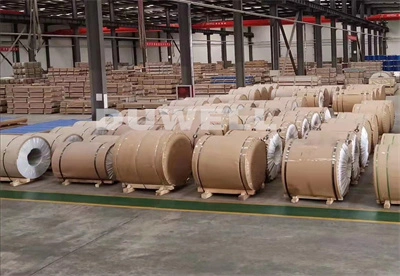
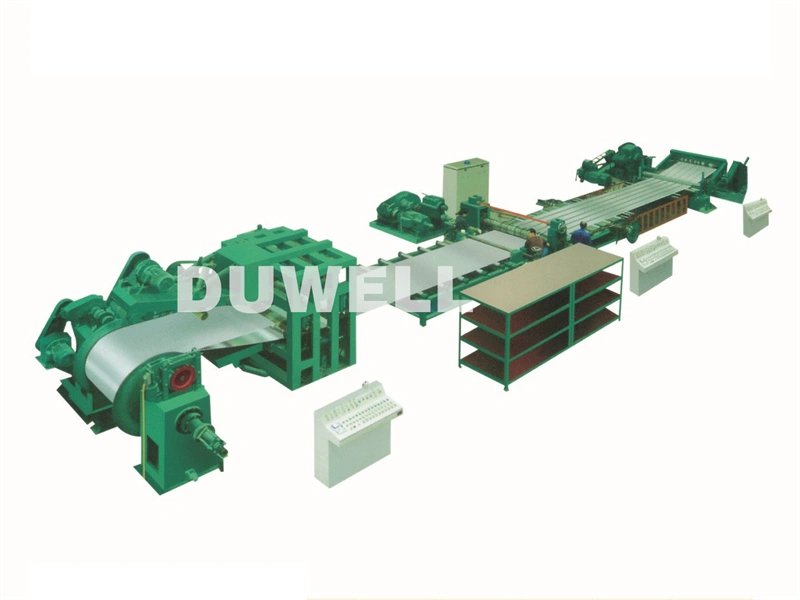
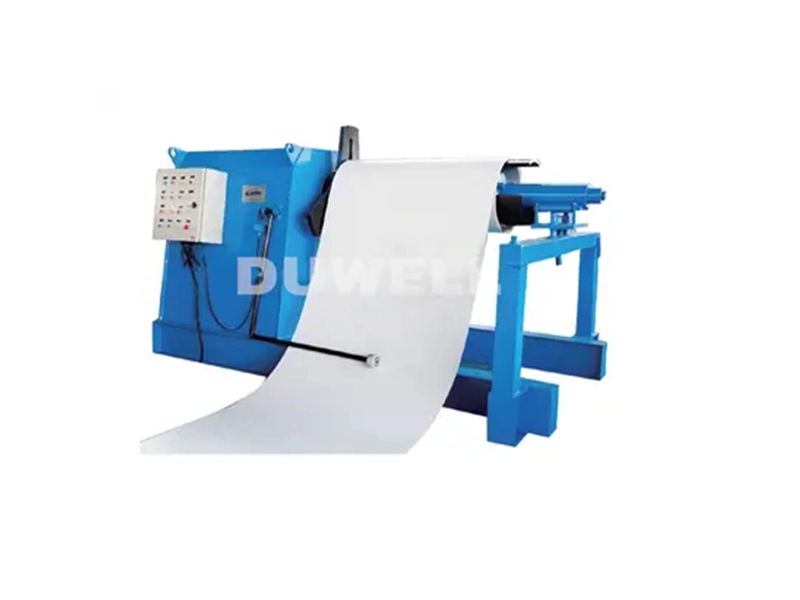
This foundational section handles raw material preparation through hydraulic decoiling, straightening, servo feeding, and precise shearing to ensure consistent material input.
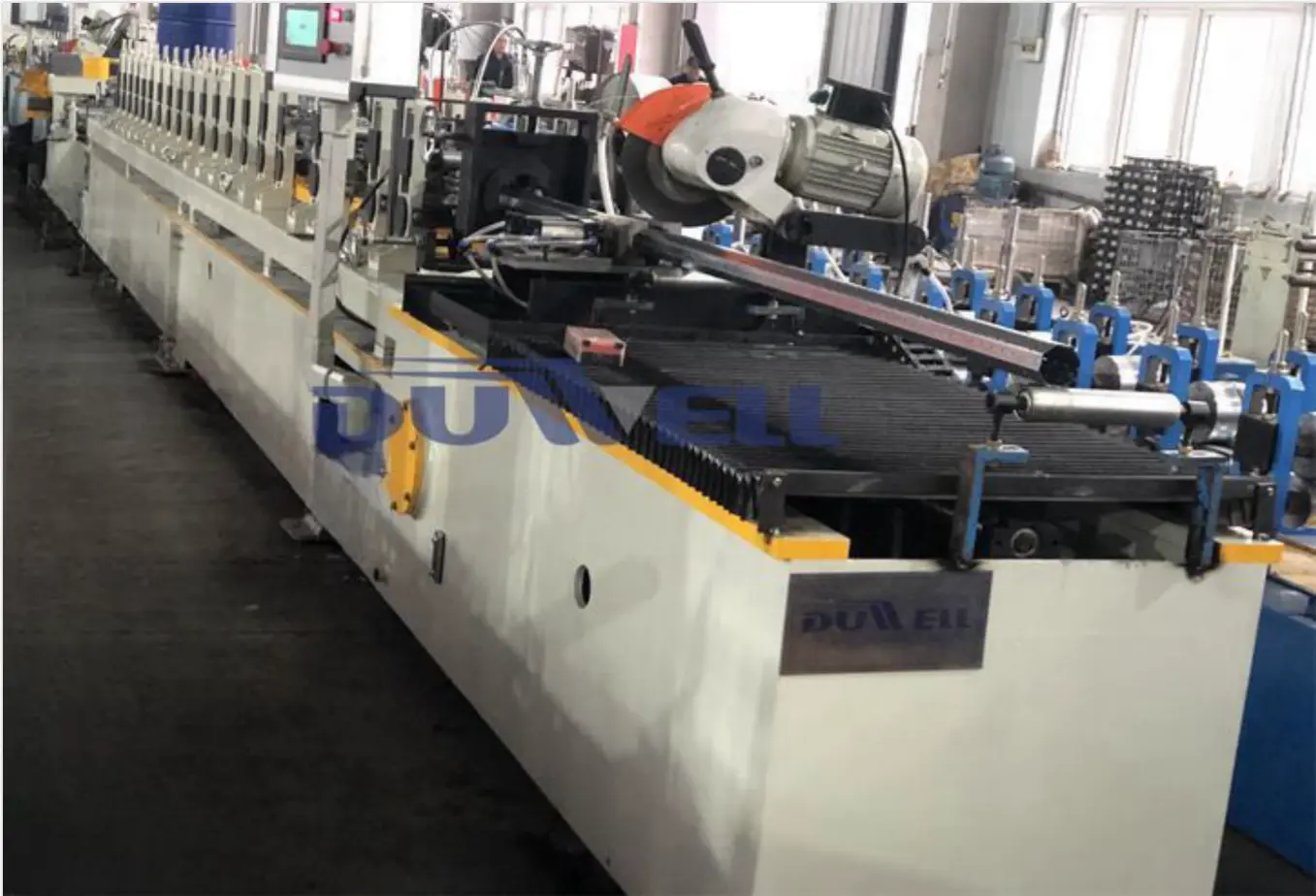
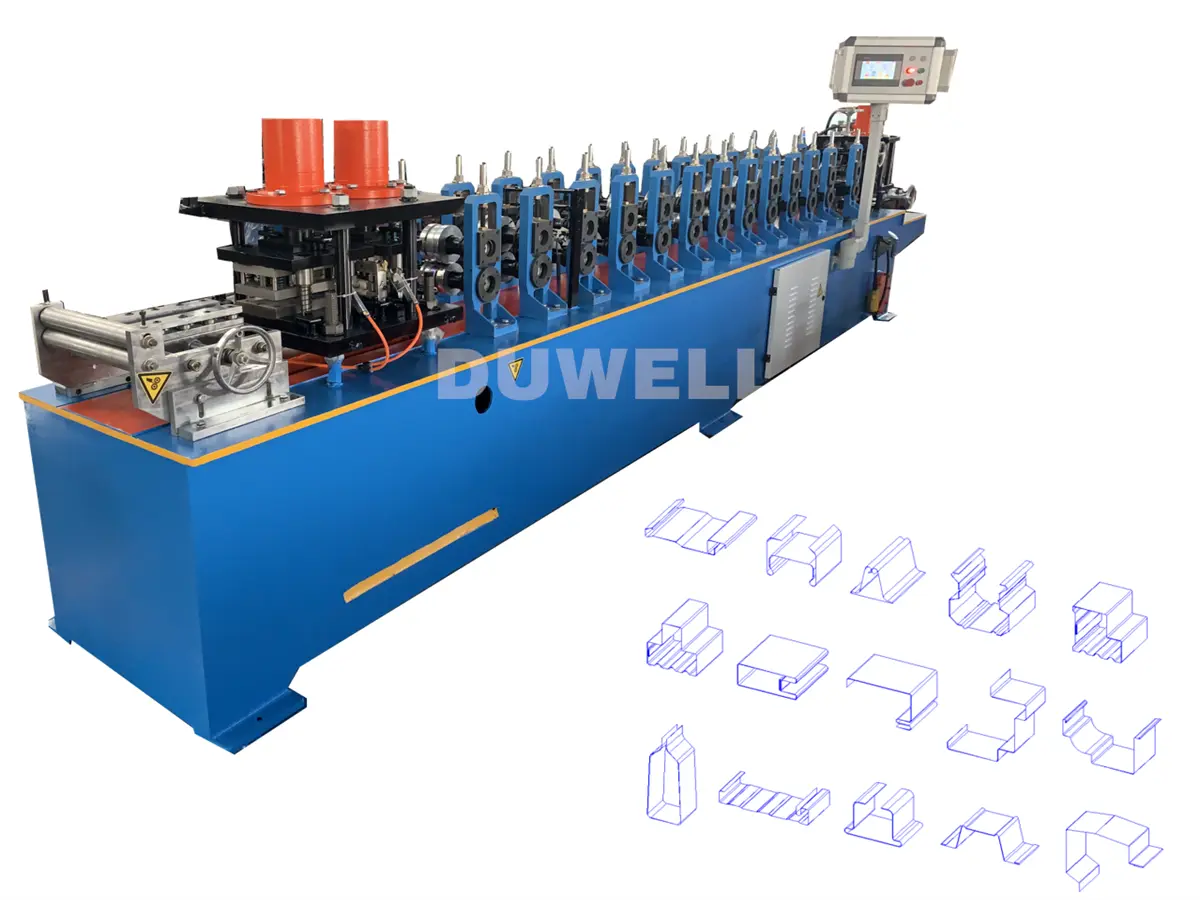
The heart of the operation. This high-precision equipment forms sectional panels, raised panels, and ribbed designs with excellent efficiency, dimensional consistency, and low labor requirements — making it ideal for large-scale production.
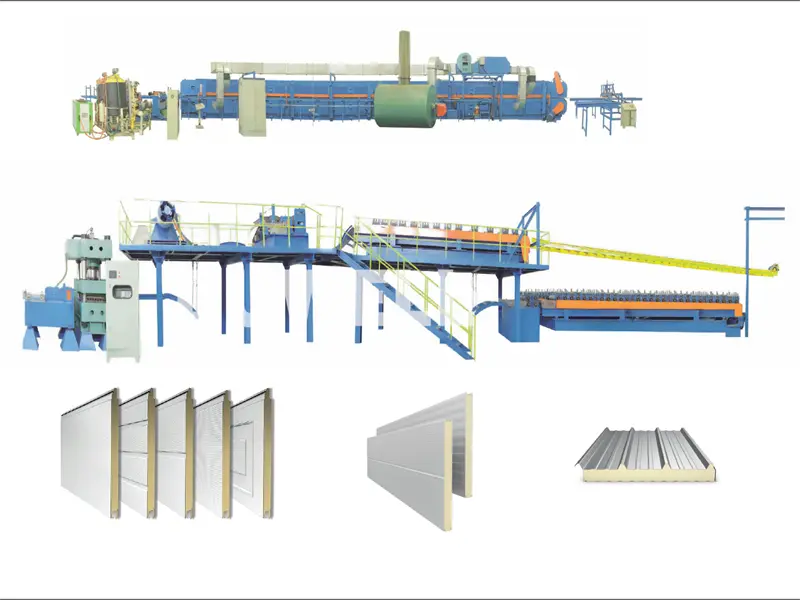
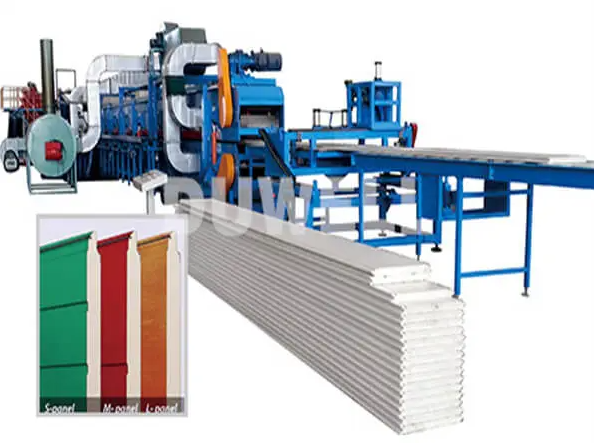
Essential for producing energy-efficient doors, this line applies PU foam, EPS, or rock wool insulation between metal skins for superior thermal performance.
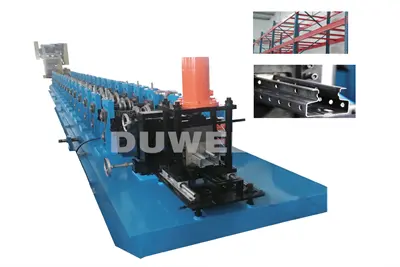
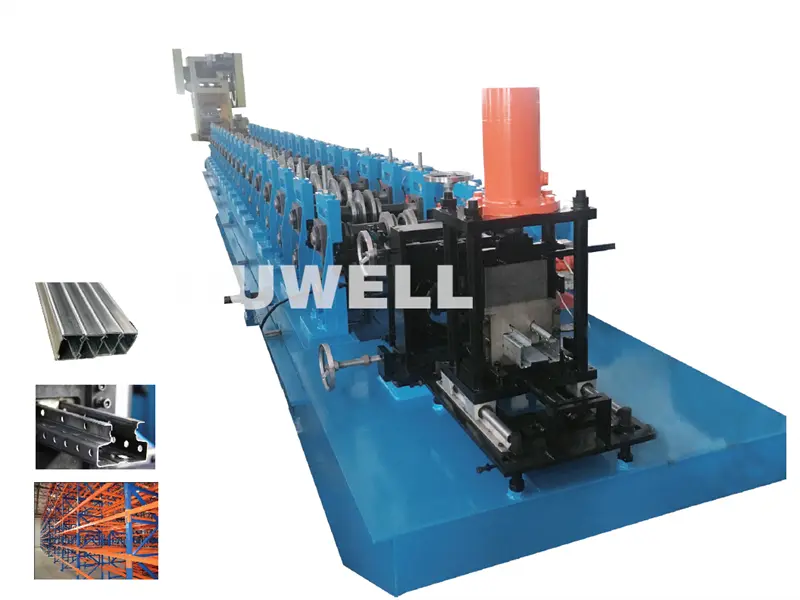
Produces vertical tracks, horizontal tracks, and reinforcement profiles that ensure smooth door operation and structural integrity.
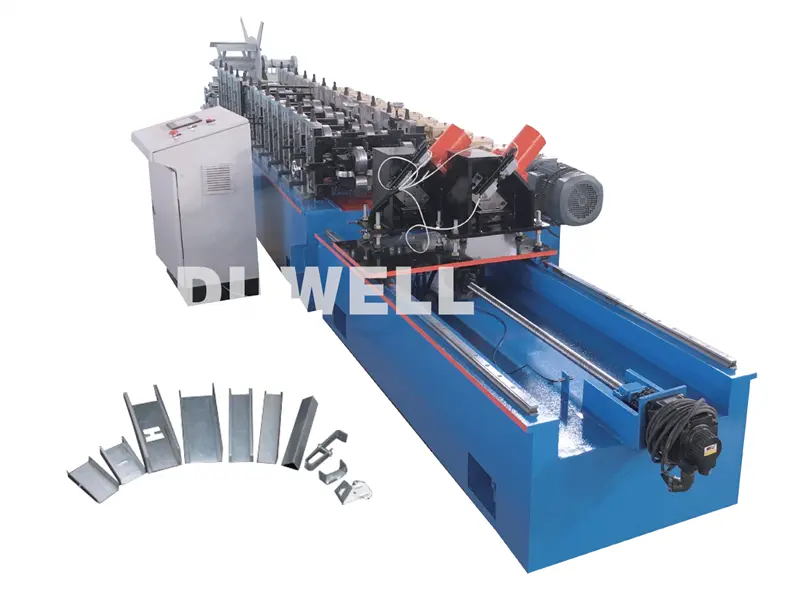
Manufactures support frames, reinforcement bars, and other structural components that provide additional strength.
Enhances accuracy and speed by creating precise holes for hardware installation while maintaining continuous production flow.
| Equipment | Function |
|---|---|
| Decoiler | Coil Feeding |
| Roll Forming Machine | Door Panel Forming |
| Punching System | Hole Processing |
| Laminating Line | Insulation Application |
| Track Forming Machine | Guide Rail Production |
| Tube Welding Line | Reinforcement Parts |
| Packing Line | Final Packaging |
A well-designed garage door production line follows a logical, efficient workflow:Raw Coil → Coil Processing → Roll Forming → Punching → Insulation Filling → Panel Assembly → Track Manufacturing → Quality Inspection → Packaging → Shipment
Throughout the process, manufacturers implement strict checks including material thickness verification, dimensional accuracy testing, surface coating inspection, load-bearing evaluation, and full opening/closing cycle tests to ensure every product meets industry standards.
Setup costs for a garage door manufacturing plant vary based on factory size, automation level, product range, target capacity, and local labor conditions. Understanding the cost structure helps investors plan effectively.
Major investments typically break down as follows:
| Item | Estimated Share |
|---|---|
| Land & Building | 25-35% |
| Machinery | 30-40% |
| Utilities | 5-10% |
| Installation | 5-8% |
| Working Capital | 15-20% |
For a medium-scale facility, key equipment categories include roll forming lines, track production systems, laminating equipment, and packaging solutions. Automation level significantly influences the total machinery budget.
Ongoing costs are dominated by raw materials, particularly steel coils, followed by labor, utilities, maintenance, and logistics.
| Expense Category | Typical Share |
|---|---|
| Steel Coil | 55-70% |
| Labor | 10-15% |
| Utilities | 5-8% |
| Maintenance | 2-5% |
| Logistics | 5-10% |
Return on investment remains one of the most important considerations for potential manufacturers. Successful projects typically achieve strong profitability through optimized operations.
Higher annual output and better equipment utilization rates directly improve financial performance.
Industrial and commercial doors often deliver higher margins than standard residential products.
Advanced automated lines significantly reduce labor costs while improving consistency and output.
Strong regional demand accelerates sales cycles and improves cash flow.
| Metric | Example Value |
|---|---|
| Annual Output | 50,000 Panels |
| Capacity Utilization | 80% |
| Gross Margin | 20-30% |
| Net Margin | 10-18% |
| Payback Period | 2-5 Years |
Well-planned automated garage door manufacturing operations benefit from stable market demand, scalable capacity, high automation potential, and sustainable profit margins.
Mitigate through long-term supplier contracts and diversified sourcing strategies to maintain cost stability.
Address by investing in automation and implementing smart production management systems that reduce dependency on manual labor.
Maintain standards with high-precision roll forming equipment and automated inspection technologies.
Differentiate by developing high-value-added products and offering customized solutions tailored to specific customer requirements.
Selecting the right partner is crucial for long-term success. Focus on suppliers with proven industry experience, strong custom design capabilities, comprehensive installation and training support, reliable spare parts availability, and a global service network. Request detailed project references and evaluate their ability to support future expansion.
| Criteria | Basic Supplier | Professional Manufacturer |
|---|---|---|
| Custom Design Capability | Limited | Yes |
| Engineering Team | Basic | Experienced |
| Automation Integration | Limited | Full Support |
| After-sales Service | Standard | Global Support |
| Future Expansion Support | No | Yes |
Shanghai Duwell Industrial Co., Ltd. is one of China's leading roll forming machine manufacturers with nearly 20 years of industry experience. Since 2005, DUWELL has specialized in the development and manufacturing of high-quality roll forming equipment for customers worldwide.
DUWELL machinery serves diverse sectors including the door & window industry, steel structure industry, storage system industry, electrical equipment industry, transportation industry, agricultural industry, sandwich panel manufacturing, and pipe and tube industry.
With advanced engineering capabilities, strict quality control, and extensive project experience, DUWELL helps customers establish efficient, scalable, and profitable manufacturing operations.
Door & Window Machines: Garage door panels, roller shutter doors, window profiles, door frames
Storage System Machines: Shelving systems, rack profiles, warehouse components
Construction & Building Machines: Roofing profiles, wall panels, structural profiles
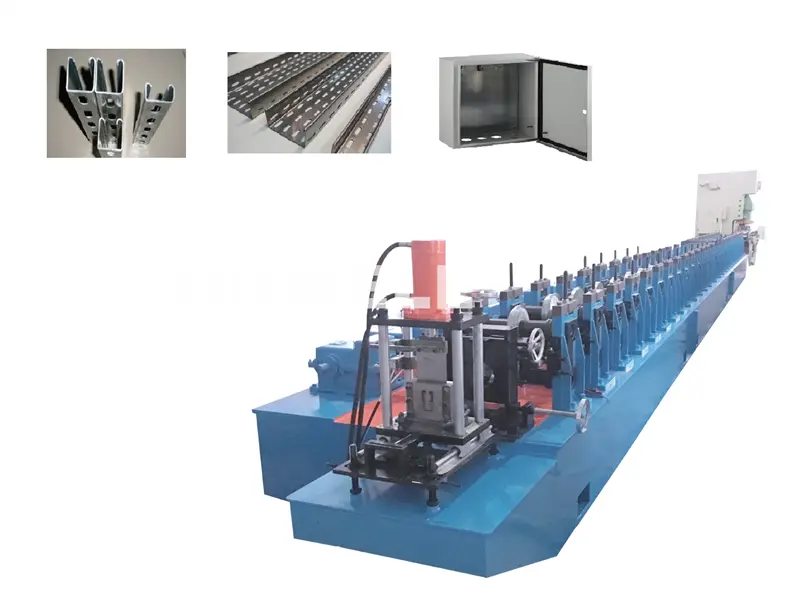
Electrical & Lighting Machines: Cable trays, electrical cabinets, lighting components
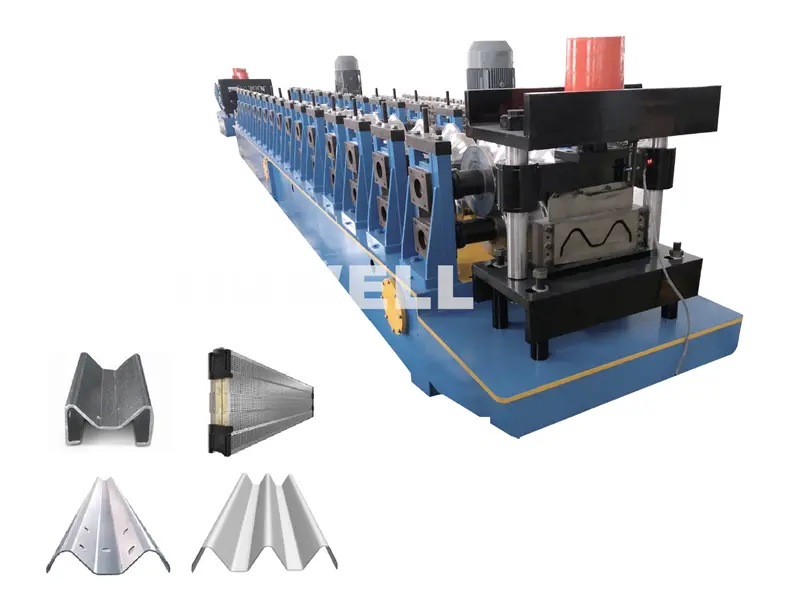
Highway & Transportation Machines: Guardrails, highway profiles
Agriculture Industry Machines: Greenhouse profiles, agricultural structures
Sandwich Panel Production Line: Insulated panels for energy-efficient doors
Customized Profile Machines: Tailor-made solutions
Coil Processing and Tube Welding Machines: Complete metal profile support