English
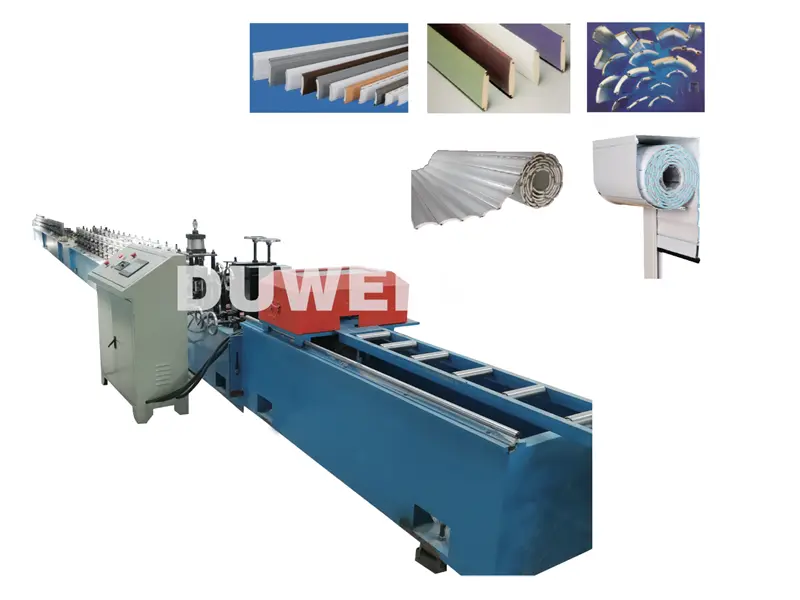
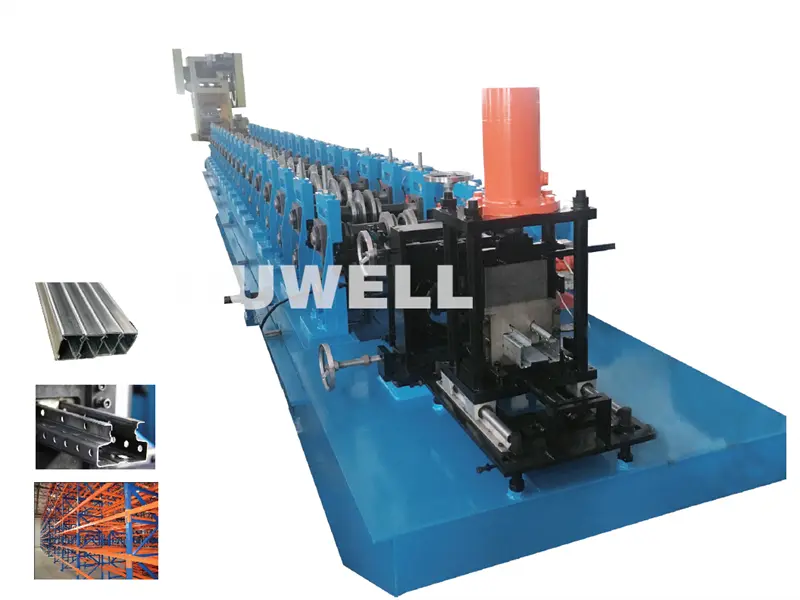
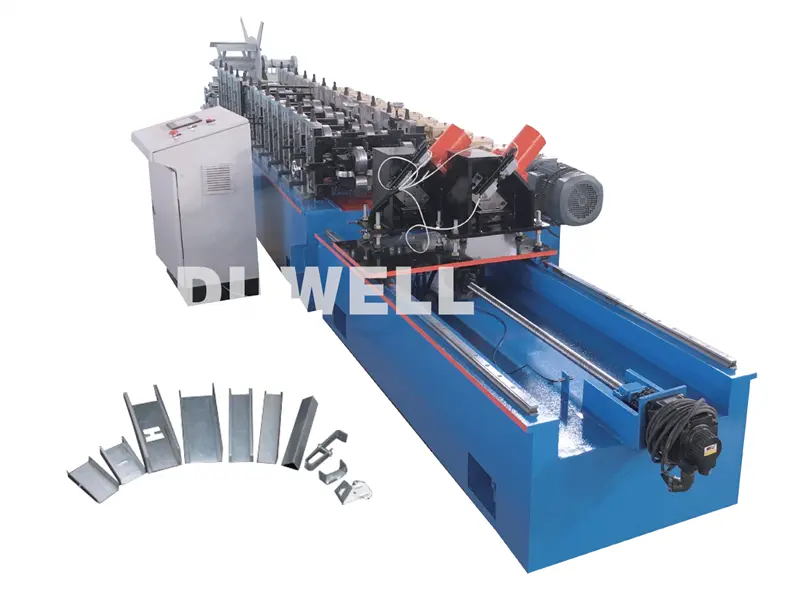
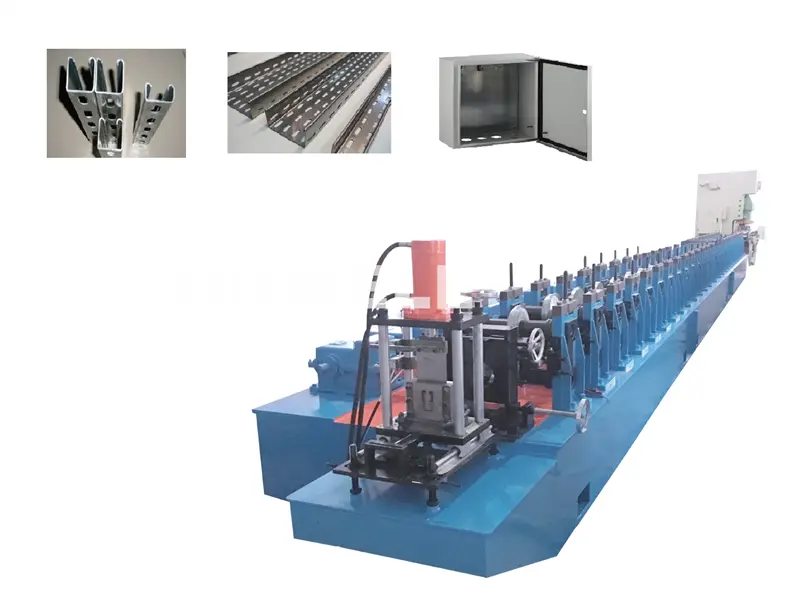
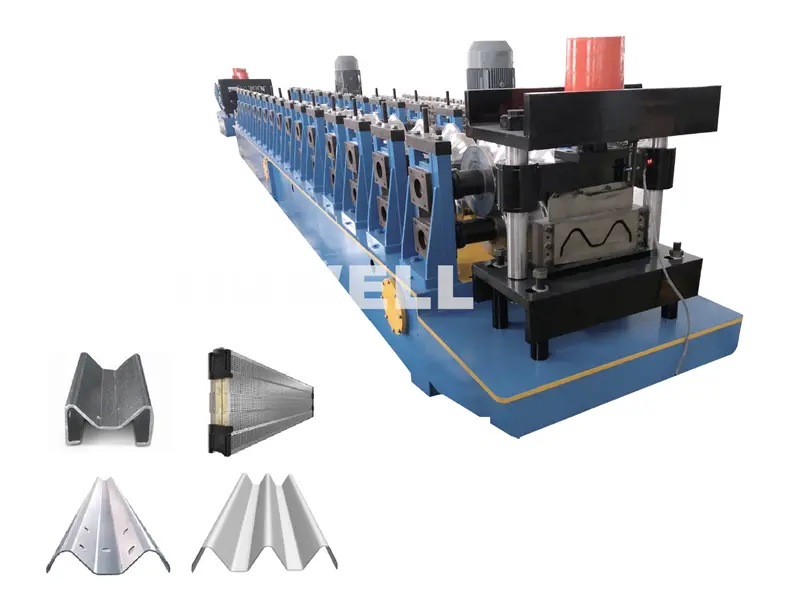
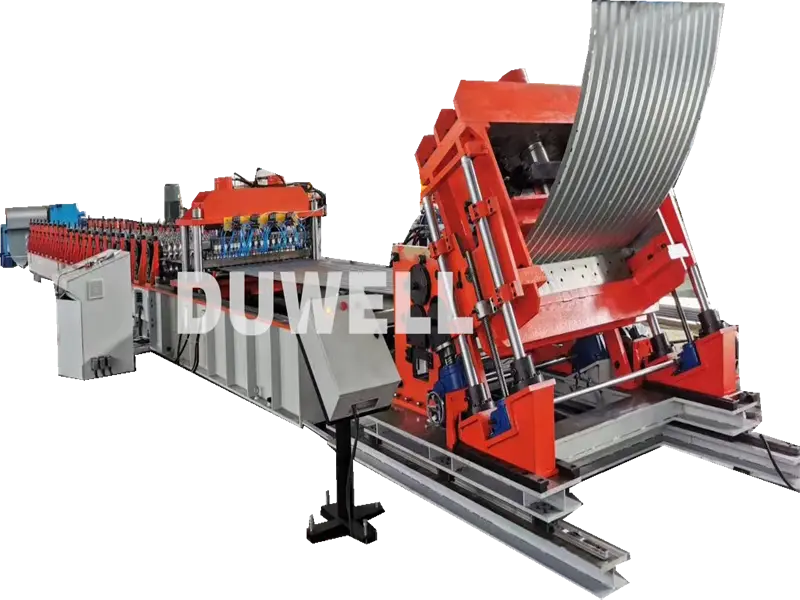
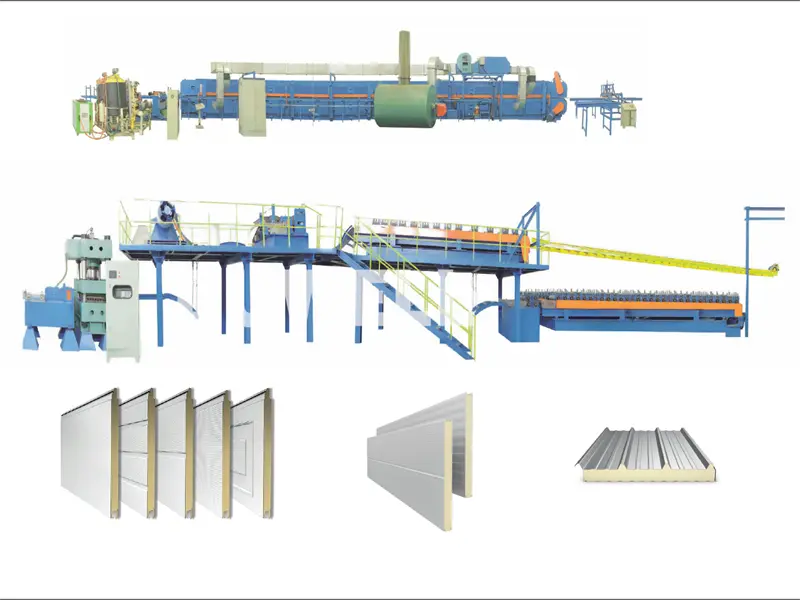
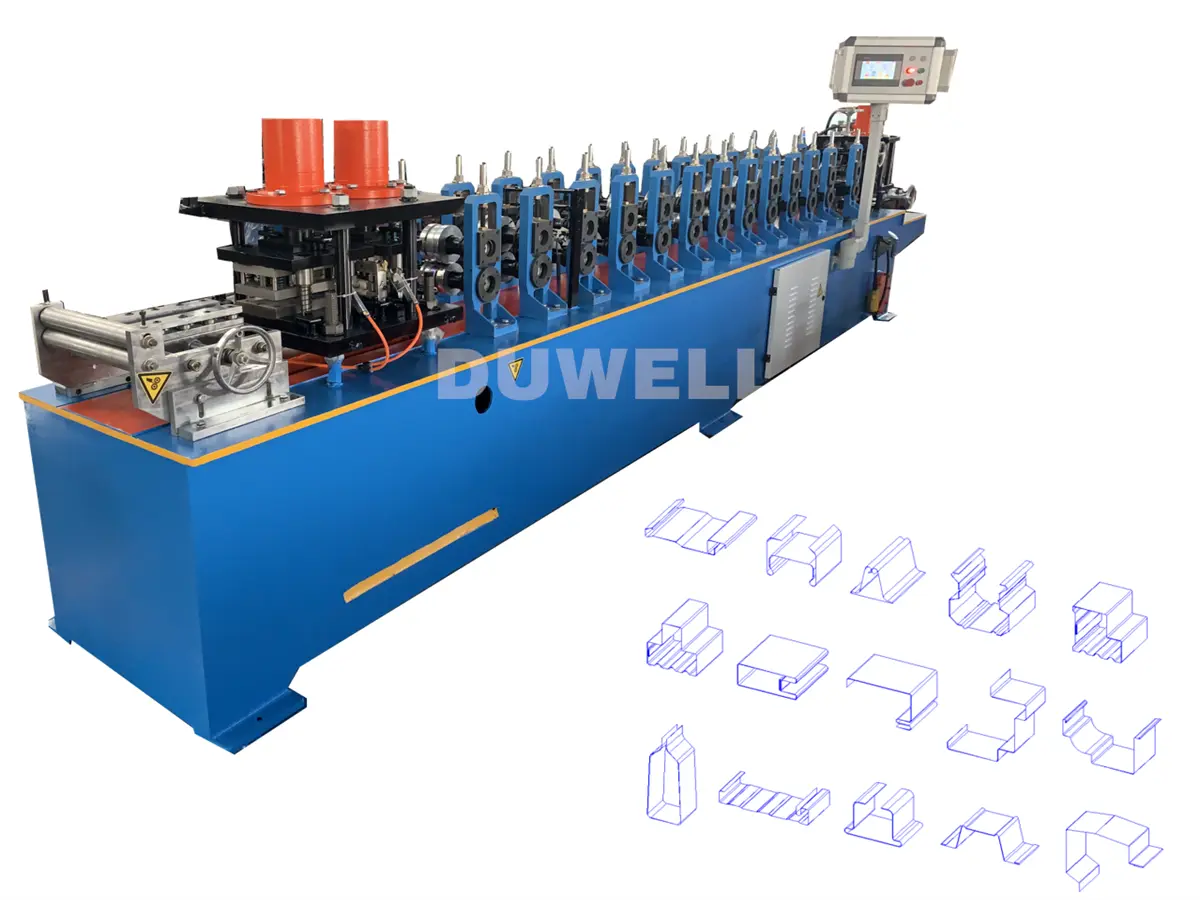
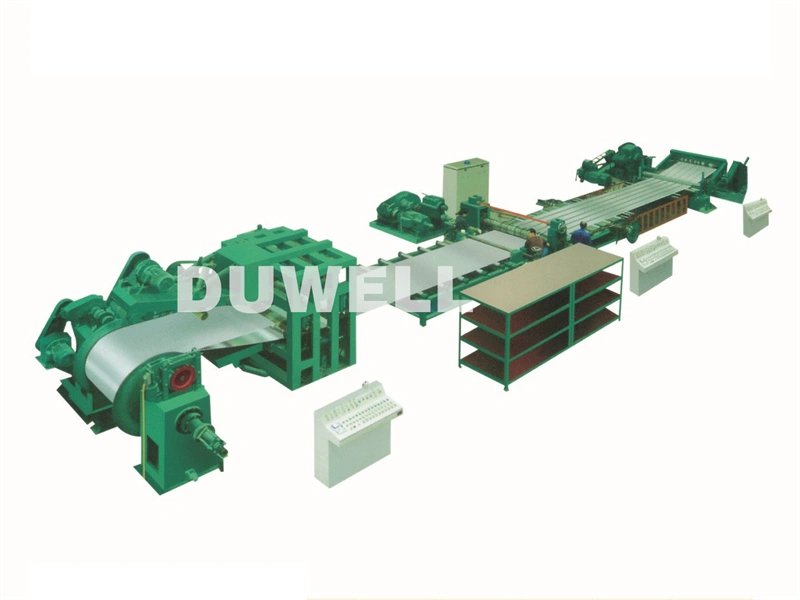
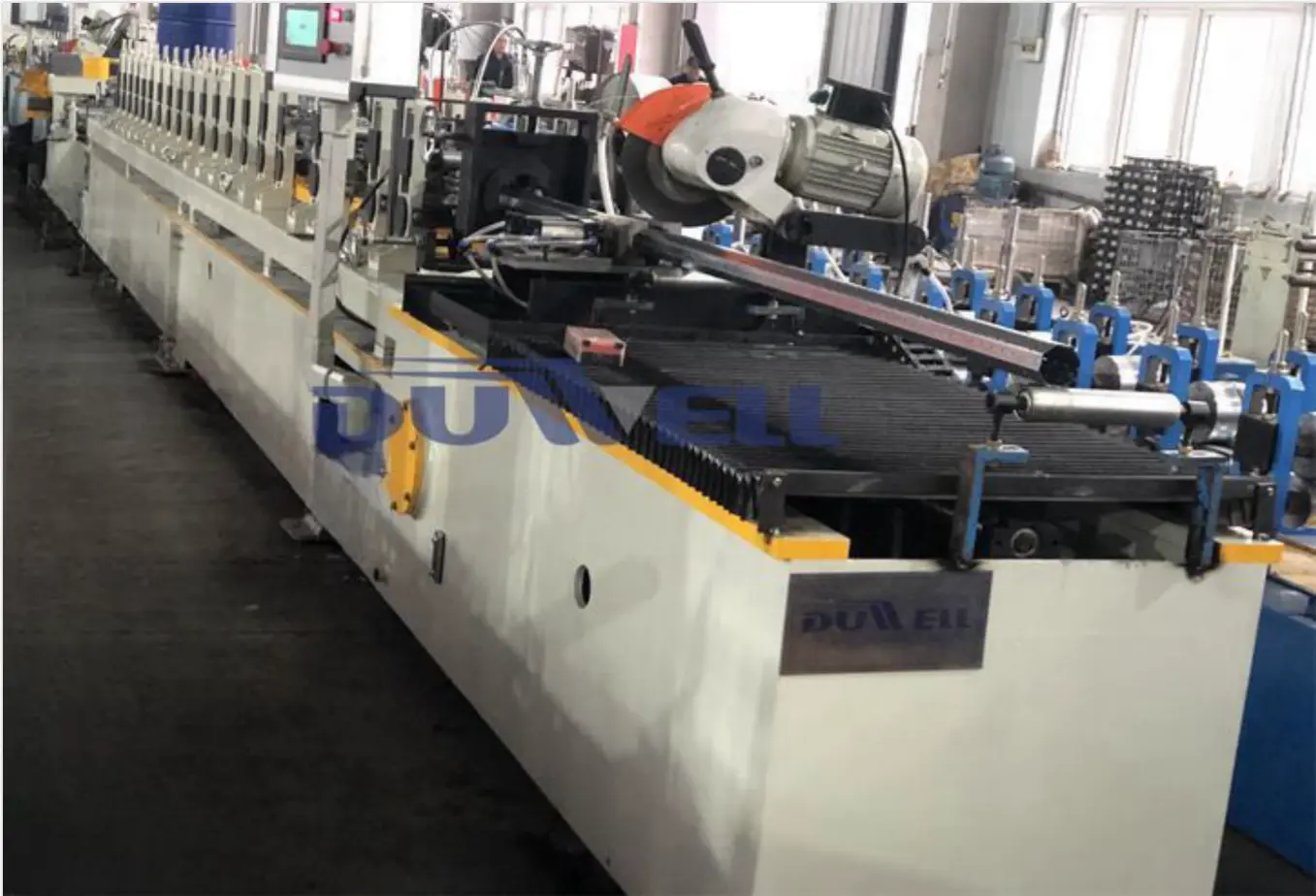
A rolling shutter slat roll forming machine (also known as a roller shutter forming machine, shutter profile machine, or rolling shutter making machine) is specialized industrial equipment designed to continuously form flat metal coils into the curved or interlocking slat profiles required for roller shutter systems.Unlike traditional methods that rely on stamping or manual bending, roll forming uses a series of progressive roller stations to gradually shape the material. This results in stronger, more uniform profiles with excellent repeatability — essential for modern security and architectural applications.
| Feature | Description |
|---|---|
| Function | Produce shutter slats from metal coils |
| Material | GI, PPGI, Aluminum, Stainless Steel |
| Thickness | 0.4-1.2mm |
| Production Speed | 15-60m/min |
| Automation | Semi-auto or Fully automatic |
| End Products | Roller shutters, garage doors, security doors |
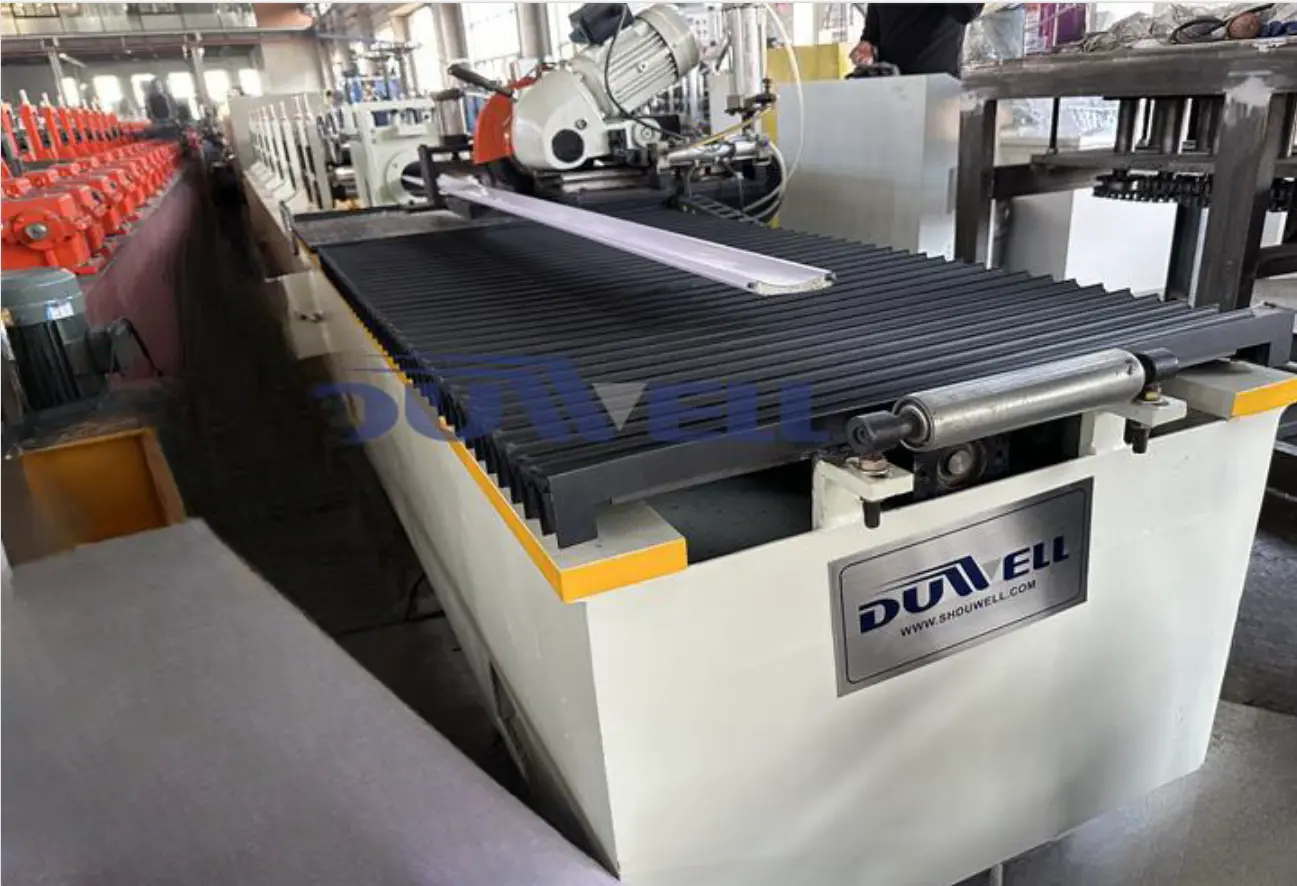
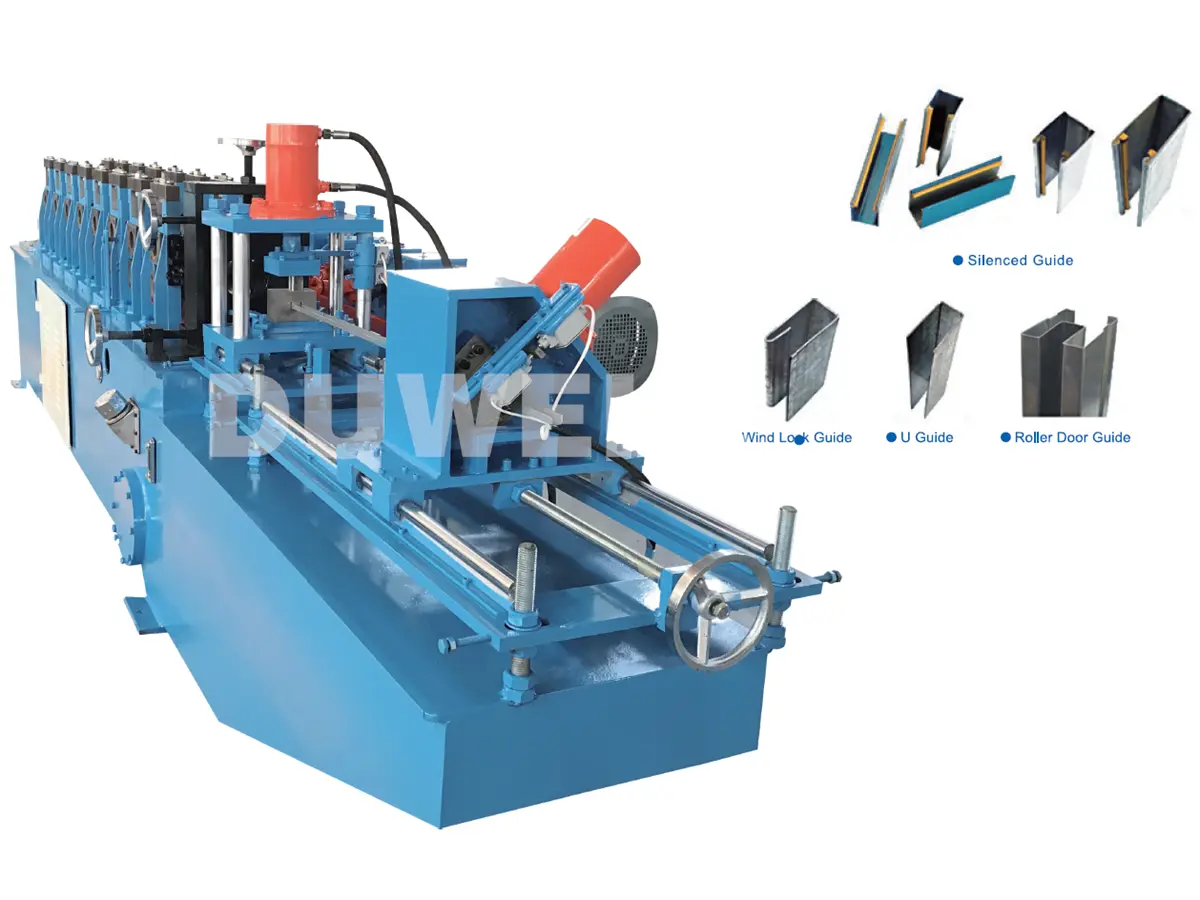
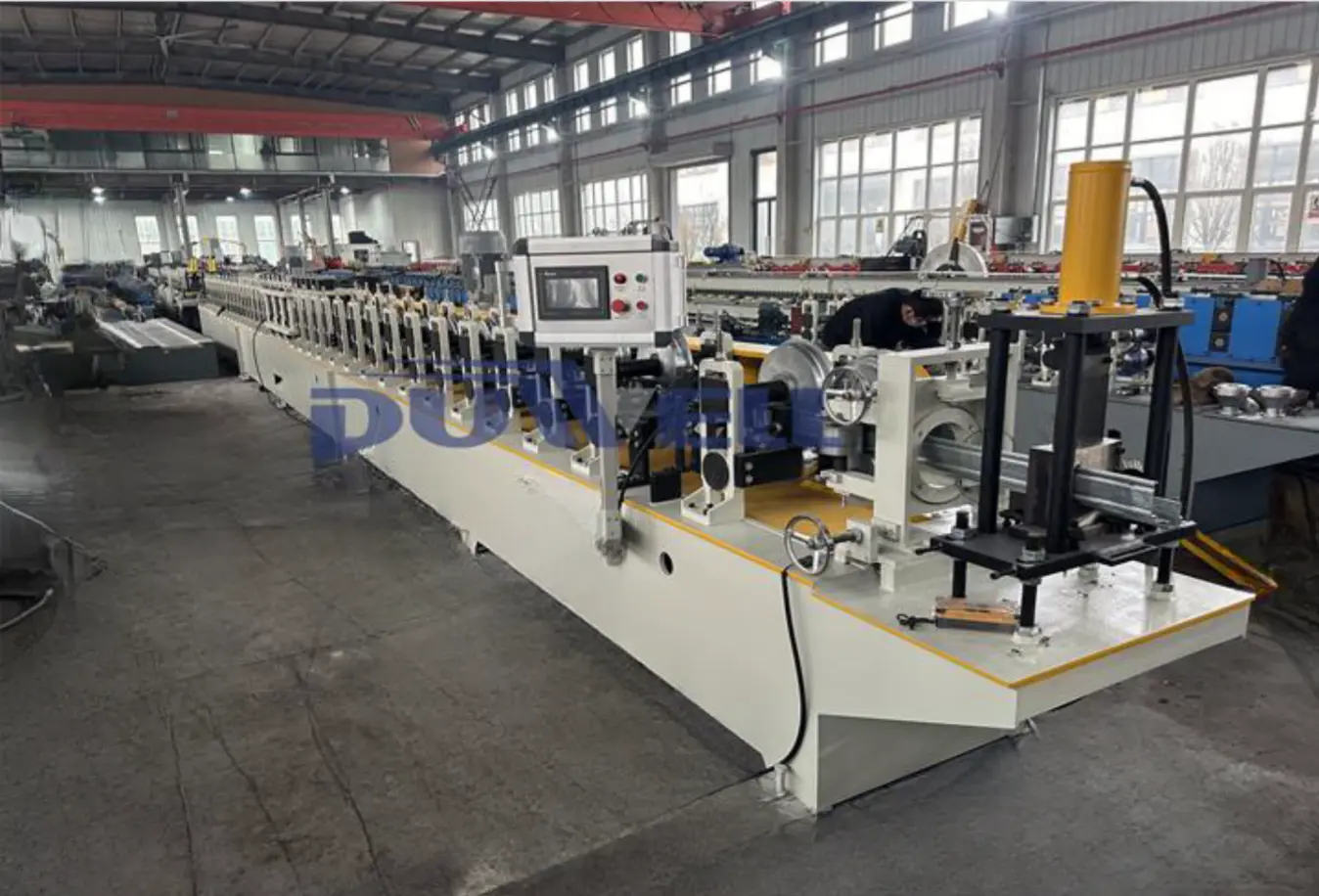
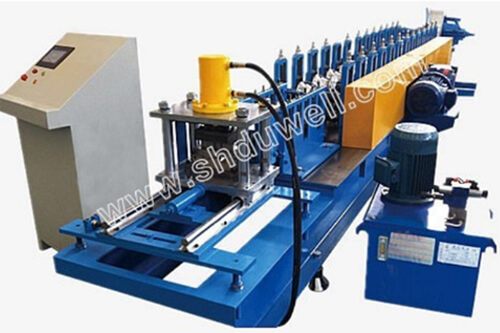
The machine's modular design allows manufacturers to produce various slat widths and shapes by adjusting or changing roll sets, making it highly versatile for both standard and customized production runs.ALT: roller shutter forming machine structure
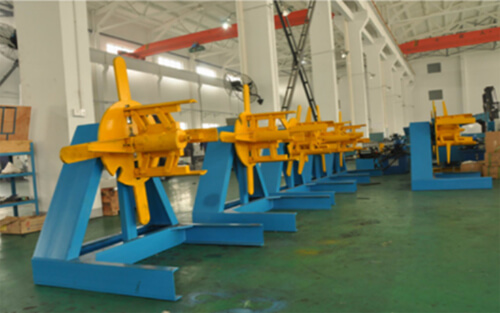
The entire process is a seamless, automated production line that transforms raw coil into finished shutter slats with minimal human intervention. Here's a detailed breakdown:
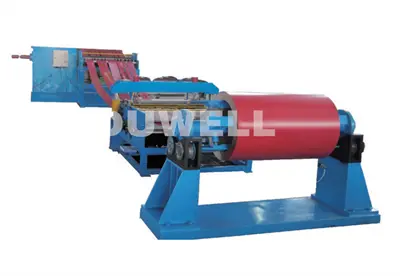
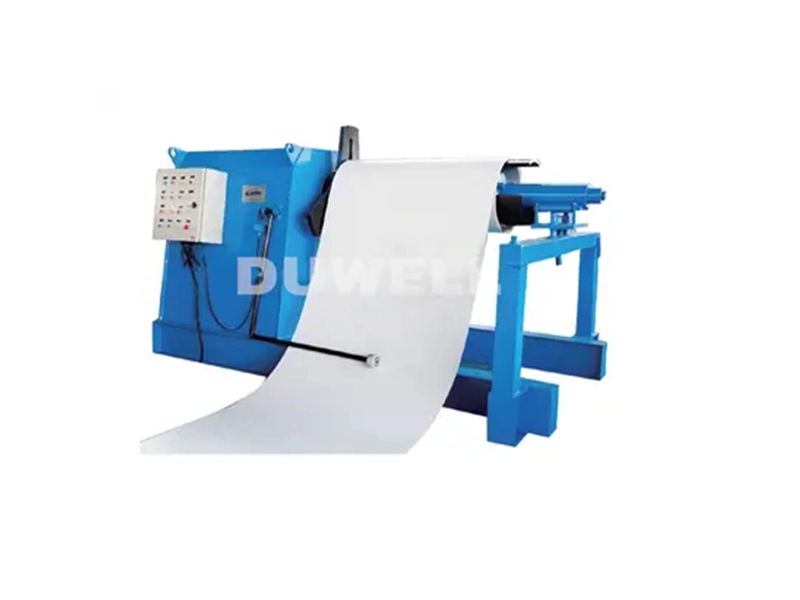
Coil Loading and DecoilingThe process begins with loading a metal coil (typically up to 5 tons) onto a hydraulic decoiler. The decoiler unwinds the coil smoothly and feeds the flat sheet into the forming line while maintaining consistent tension to prevent damage or deformation.
Sheet Feeding and GuidingThe material passes through a feeding and leveling system with guiding rollers that ensure the sheet enters the roll forming stations perfectly aligned. This step is critical for maintaining dimensional accuracy throughout the production run.
Roll Forming ProcessThis is the heart of the machine. The sheet travels through 20–30 pairs of carefully engineered forming rollers. Each station gradually bends the metal a little more until the final desired slat profile (C-shape, double C, or custom curved) is achieved. The progressive forming minimizes internal stress and ensures excellent surface quality.
Punching and Perforation (Optional)For ventilation or security features, an inline punching unit creates precise holes, slots, or embossing patterns. Servo-controlled systems ensure holes are punched accurately at high speeds without stopping the line.
Flying Cut-Off SystemA high-precision hydraulic or servo flying cut-off system cuts the formed slats to exact lengths while the material is still moving. This "flying cut" technology enables continuous high-speed production without quality loss.
Product Collection and PackagingFinished slats are automatically stacked, counted, and prepared for packaging. Advanced lines include automatic strapping and labeling for efficient logistics.
A high-quality roller shutter forming machine consists of several integrated systems working in harmony:
| Component | Function |
|---|---|
| Decoiler | Holds and feeds the metal coil |
| Feeding System | Guides material smoothly into the line |
| Roll Forming Stations | Gradually shapes the profile |
| Punching Unit | Creates ventilation or locking holes |
| Hydraulic Cutting | Cuts slats to precise lengths |
| PLC System | Controls automation, speed, and parameters |
| Output Table | Collects and stacks finished products |
Modern rolling shutter slat roll forming machines can process a wide range of materials to meet different environmental and aesthetic requirements:
| Material | Advantages | Applications |
|---|---|---|
| GI (Galvanized) | Low cost, good corrosion resistance | Commercial shutters |
| PPGI (Pre-painted) | Attractive colors, decorative finish | Retail stores, offices |
| Aluminum | Lightweight, rust-proof | Residential & architectural |
| Stainless Steel | Excellent corrosion resistance | Coastal areas, food industry |
The machine's roller design and drive system are optimized to handle different material strengths and thicknesses without compromising profile accuracy.
Roll formed shutter slats are used across countless real-world scenarios:
In warehouses, heavy-duty galvanized slats provide robust security against theft and weather. Retail storefronts use colorful pre-painted slats that enhance branding while protecting merchandise after hours. Residential garage doors benefit from lightweight aluminum profiles that offer smooth operation and modern aesthetics. Many manufacturers producing both roller shutters and garage doors invest in a garage door roll forming machine to expand their product range and serve additional market segments. Industrial facilities often choose insulated or fire-rated slats for safety compliance.
Global manufacturers are rapidly switching to roll forming technology for compelling reasons:
| Factor | Roll Forming | Pressing | Manual Fabrication |
|---|---|---|---|
| Speed | ★★★★★ | ★★★ | ★ |
| Labor Cost | Low | Medium | High |
| Consistency | Excellent | Good | Poor |
| Material Waste | Low | Medium | High |
| ROI | High | Medium | Low |
Roll forming delivers unmatched productivity, dimensional consistency, and cost efficiency, making it the preferred choice for medium-to-large scale shutter production worldwide.
Continuous operation at 15–60 meters per minute allows manufacturers to meet large orders quickly.
Every slat meets tight tolerances, reducing assembly issues and customer complaints.
Highly automated lines require only 2–3 operators instead of large manual teams.
Precision forming and cutting typically achieve material utilization rates above 98%.
Most customers recover their investment within 12–24 months through increased output and reduced costs.
Quick-change cassette systems allow switching between different slat designs with minimal downtime.
Assess daily/ monthly output requirements before selecting speed and automation level.
Ensure the machine can handle your preferred coil thickness and type.
From semi-automatic to fully servo-controlled lines — choose based on labor availability and budget.
Modern cassette-style machines can switch profiles in 10–30 minutes.
Reliable after-sales service and spare parts availability are crucial for long-term success.
Buyer Checklist
Required profile type and dimensions
Coil thickness range
Target production speed
Power supply specifications
Factory layout constraints
Budget and expected ROI
After-sales support and training
Standard lines run at 15–40 m/min, while high-end servo models can reach 60 m/min depending on material and profile complexity.
Yes. With quick-change cassette systems or adjustable rollers, one machine can handle various widths and shapes.
Galvanized steel, pre-painted steel, aluminum, and stainless steel coils from 0.4mm to 1.2mm thickness.
Prices range from $15,000 for basic models to $50,000+ for fully automatic high-speed lines.
Typically 7–15 days including training, depending on line complexity.
Daily cleaning and lubrication, plus monthly comprehensive checks. Proper maintenance ensures years of reliable service.
Shanghai Duwell Industrial Co., Ltd. is one of Chinas leading roll forming machine manufacturers. Since 2005, DUWELL has specialized in developing and manufacturing high-quality roll forming equipment for customers worldwide.
With nearly 20 years of experience, DUWELL provides customized solutions for the door and window industry, steel structure, electrical equipment, transportation, warehouse storage, and many other sectors. In addition to shutter production equipment, DUWELL also supplies door frame roll forming machine solutions for door system manufacturers. Our engineering team continuously improves machine performance, efficiency, and automation to help customers achieve long-term manufacturing success.
| Product Category | Applications |
|---|---|
| Door & Window Machines | Roller shutters, garage doors, door frames |
| Storage System Machines | Rack systems and shelving |
| Construction & Building | Roofing and wall panels |
| Electrical & Lighting | Cable trays and lighting profiles |
| Highway & Transportation | Guardrails and transportation profiles |
| Agriculture Industry | Agricultural steel profiles |
| Sandwich Panel Production | PU/PIR panel manufacturing |
| Customized Profile Machines | Custom roll forming solutions |
Ready to Start Your Roller Shutter Production Business?
Whether you are planning a new roller shutter manufacturing plant or upgrading an existing production line, DUWELL can provide customized roll forming solutions tailored to your goals.
Contact DUWELL Today For:
Free profile analysis
Machine layout design
Production capacity evaluation
ROI consultation
Global installation and training support
Send us your shutter profile drawing today and receive a customized proposal within 24 hours.