English
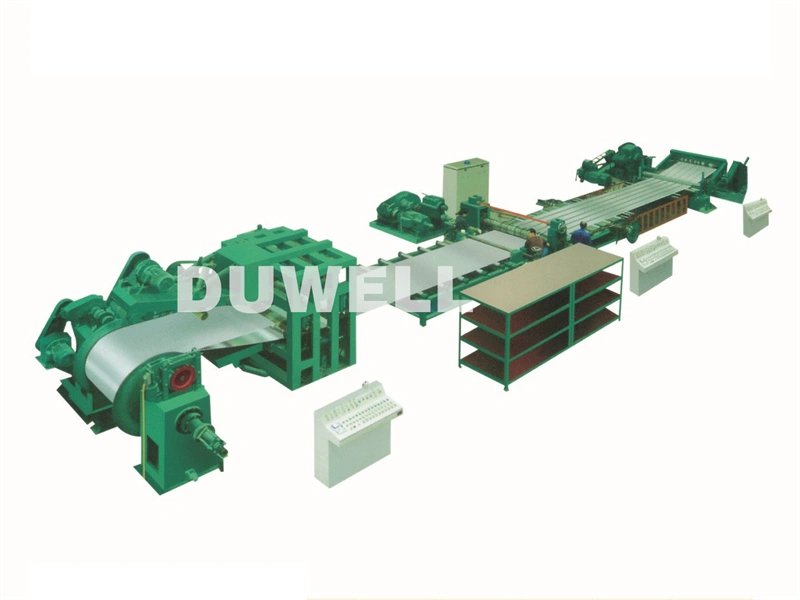
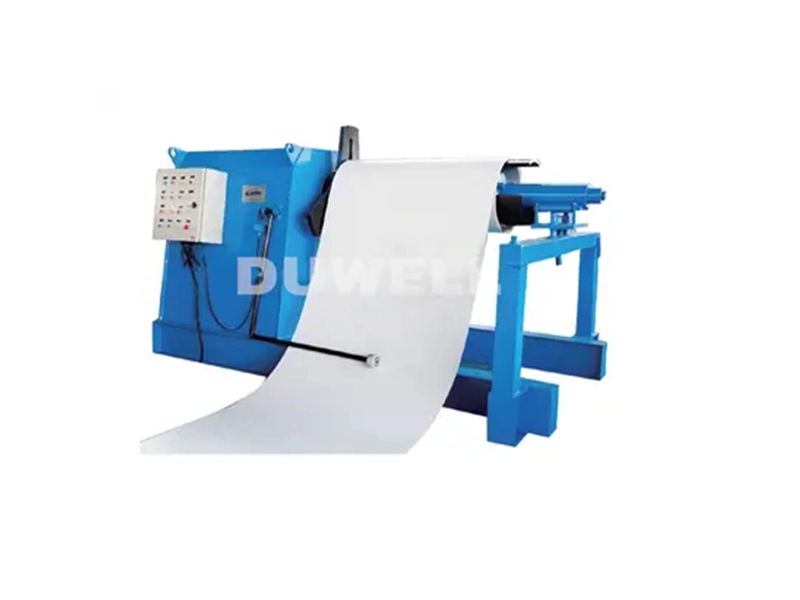
Investing in industrial manufacturing equipment is a major capital expenditure. If you are in the business of producing doors, security grilles, or architectural facades, purchasing the right equipment can dramatically elevate your production capacity. However, the market is flooded with countless options, leaving many factory owners and procurement managers asking critical questions: Which machine configuration is right for my specific market? Should I invest in a fully automatic line? How do I calculate the Return on Investment (ROI)? And how can I safely screen suppliers in China to avoid costly mistakes?This comprehensive guide is designed to answer all these questions. We will walk you through everything you need to know about evaluating, selecting, and purchasing a rolling shutter making machine, ensuring you make a highly profitable, future-proof investment.
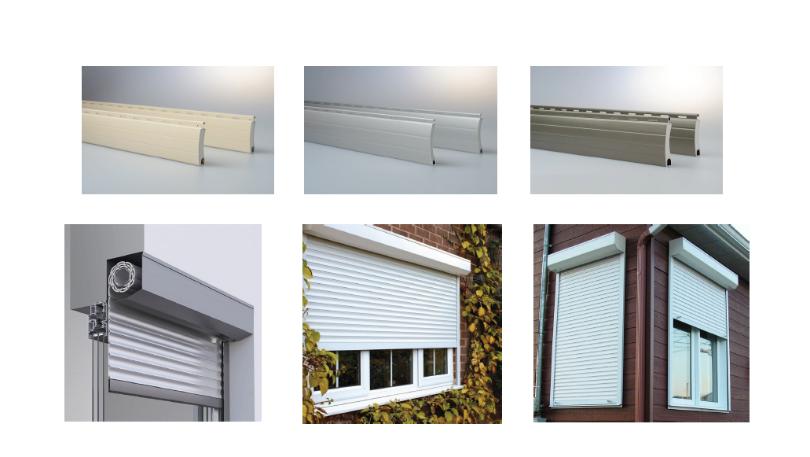
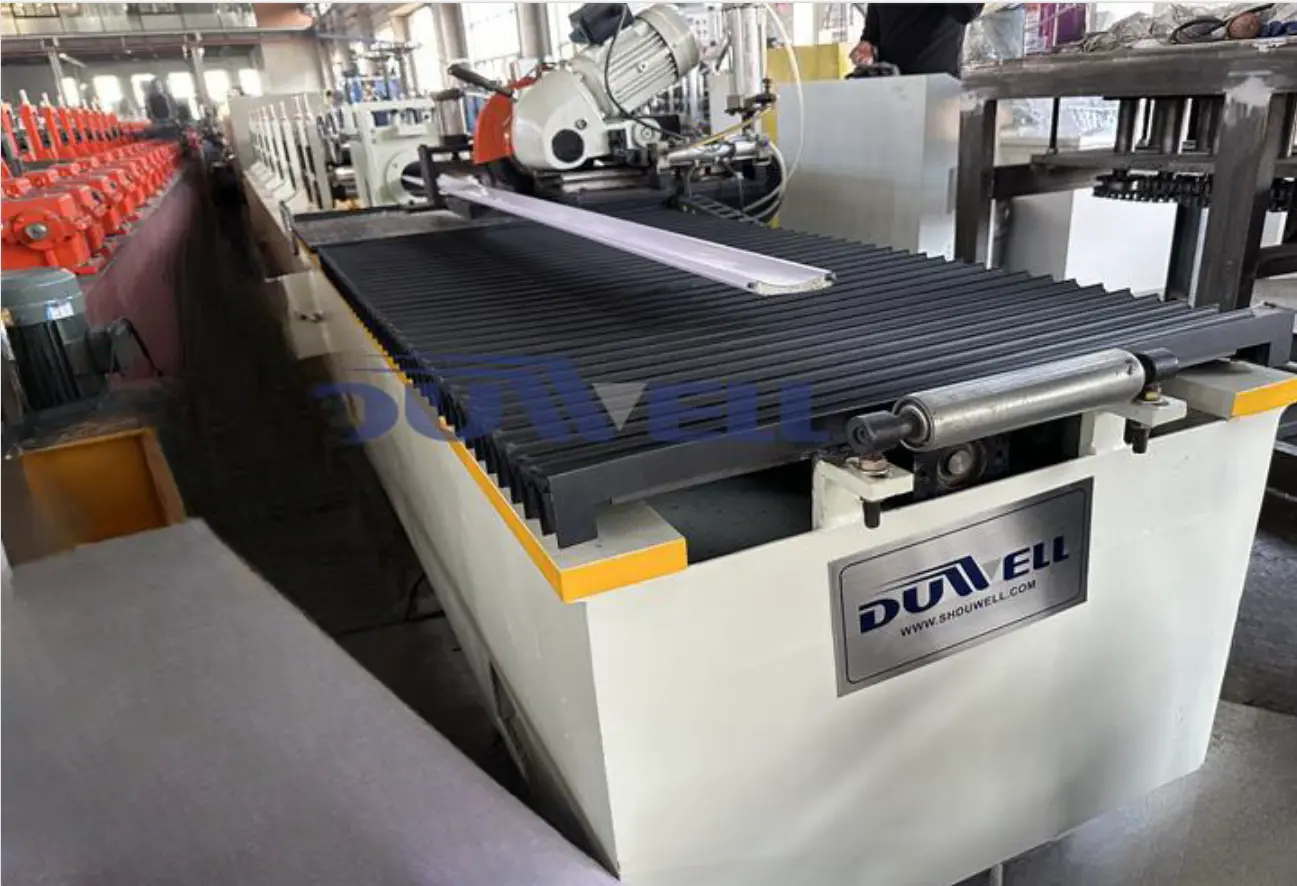
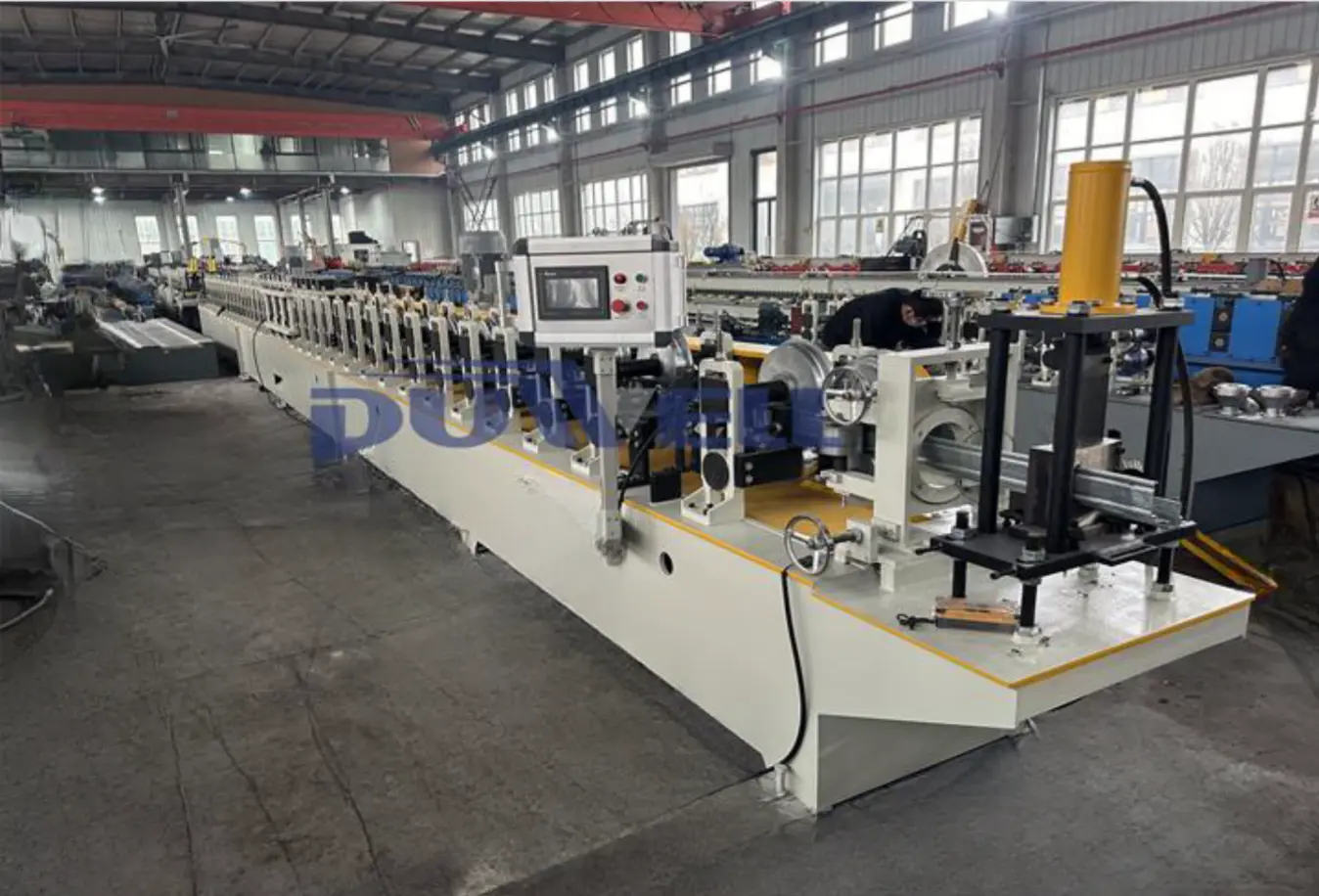
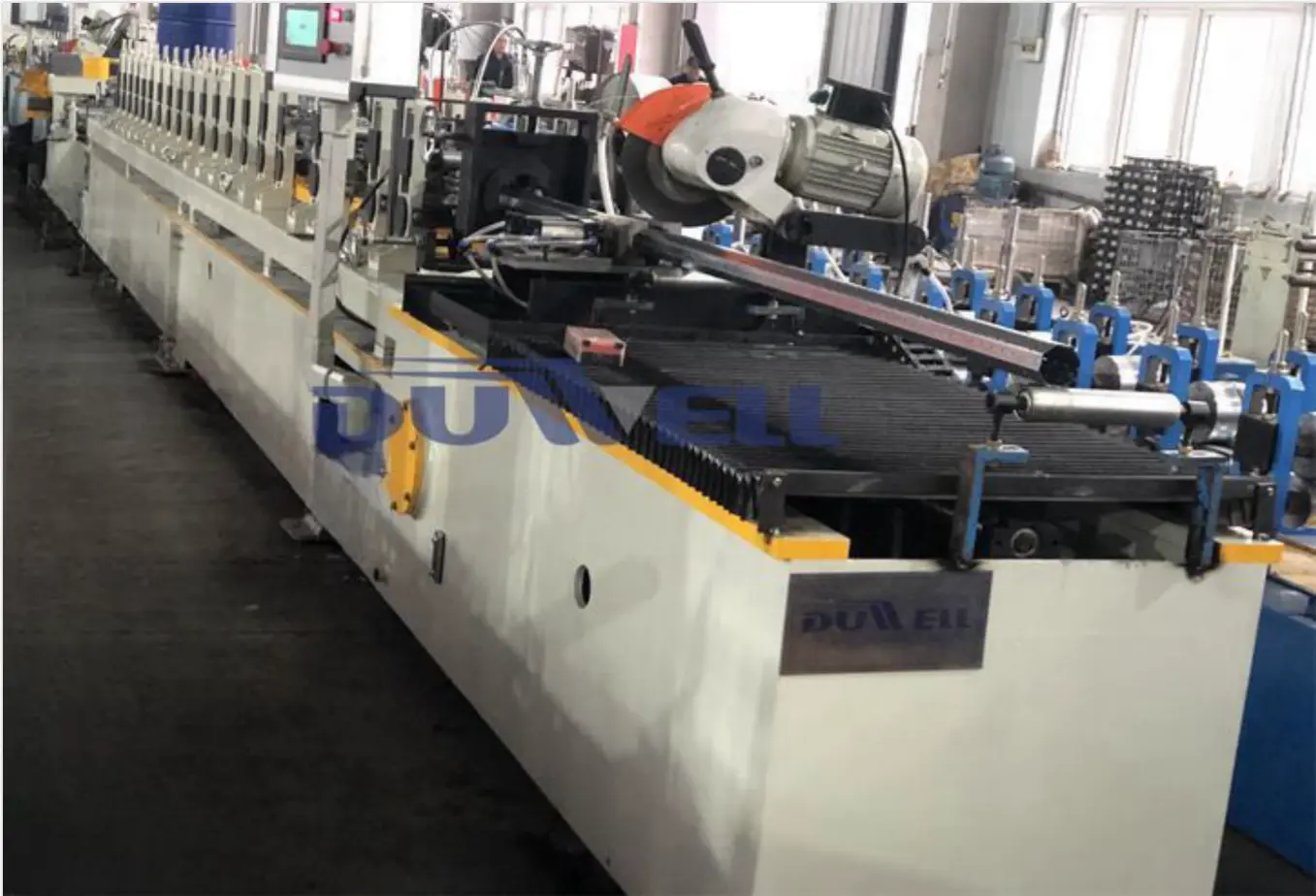
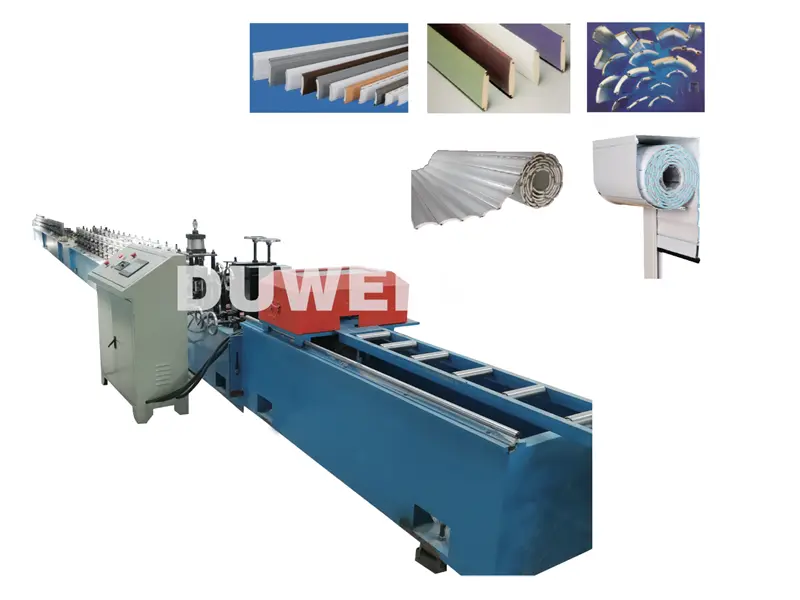
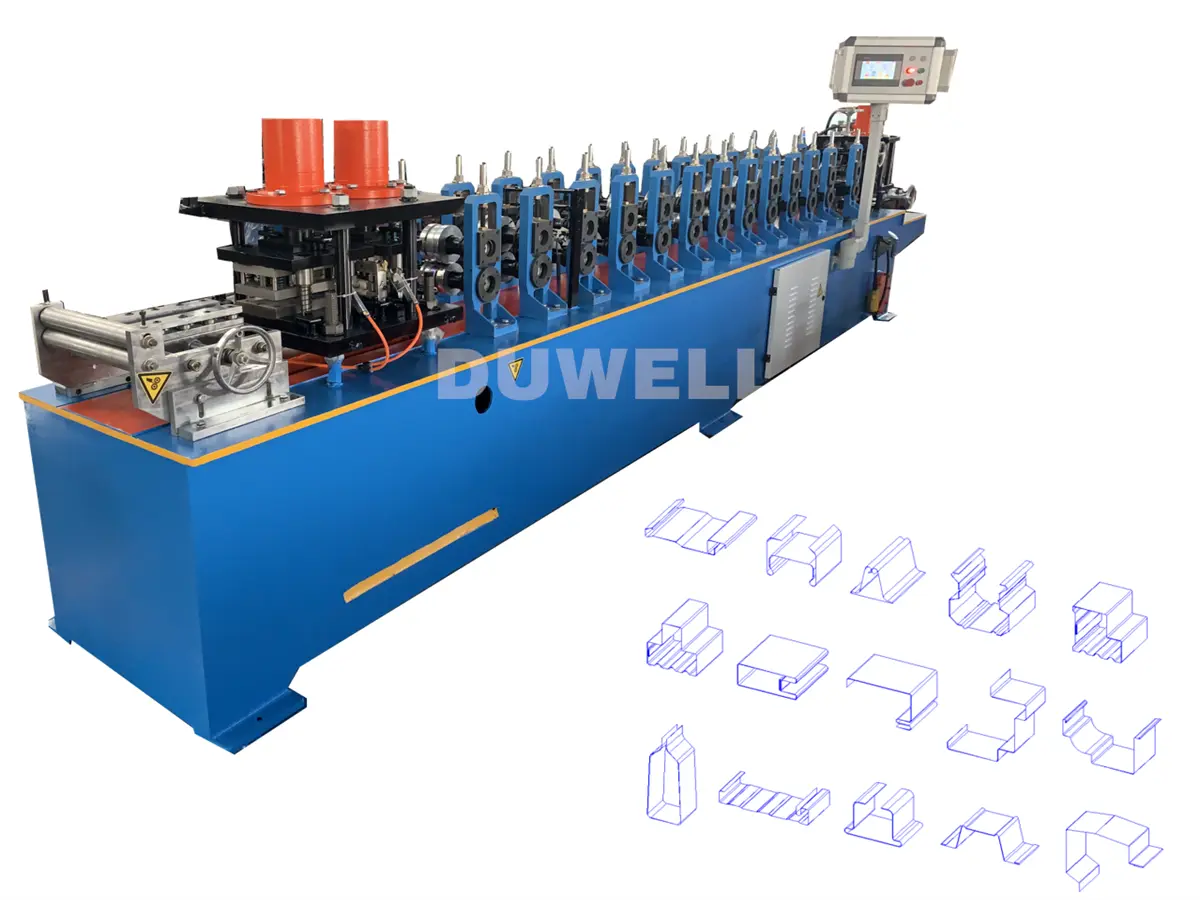
At its core, a rolling shutter making machine is a specialized roll forming system engineered to continuously bend and shape flat metal strips into specific profiles. It is the heart of any facility manufacturing rolling shutter doors, responsible for producing the interlocking shutter slats, secure guide rails, sturdy bottom bars, and other essential structural components.The process is highly efficient: it feeds flat metal coils through a series of carefully calibrated, hardened steel rollers. Each set of rollers performs an incremental bend, gradually transforming the raw material into a precise, finished profile ready for assembly.Common Raw Materials Processed:
Galvanized Steel (GI): The industry standard, offering high strength and excellent corrosion resistance.
Aluminum Coil: Preferred for lightweight, rust-proof, and premium residential applications.
Pre-painted Steel (Color Steel): Used when specific aesthetic finishes are required without the need for post-painting.
Finished Products Created:
These manufactured components are subsequently assembled into:
Commercial storefront shutters
Heavy-duty industrial factory shutters
Residential garage doors
Warehouse and logistics center doors
| Input Material | Finished Product Application | Characteristic |
| GI Coil (Galvanized) | Shutter Slat | High strength, anti-rust, ideal for wide spans |
| Aluminum Coil | Guide Rail / Premium Slats | Lightweight, quiet operation, weather-resistant |
| Color Steel Coil | Bottom Bar / Decorative Slats | Aesthetically pleasing, ready-to-install finish |
Purchasing roll forming equipment based solely on the cheapest price tag is a common, yet devastating mistake. The roll forming machine is the lifeblood of your factory. A poorly engineered machine introduces a cascade of manufacturing risks that quickly erase any initial savings.
Substandard machines are notorious for frequent downtime. Whether it is material jamming, sensor failures, or structural vibrations at high speeds, a slow or broken machine means missed deadlines. When your machine only operates at a low speed of 8 meters per minute while your competitors are running at 25 meters per minute, you lose your competitive edge in the market.
Rolling shutters rely on a precise interlocking mechanism. If the machine suffers from dimension deviation or inconsistent bending angles, the resulting slats will not interlock smoothly. This leads to poor interlocking performance, noisy shutter operation, jamming doors, and ultimately, rejected batches and angry customers.
Cheap machines use inferior steel for their rollers and shafts. This results in rapid roller wear, meaning you will need to frequently re-tool and recalibrate the machine. Furthermore, subpar hydraulic systems are prone to leaks and complete hydraulic failure, driving up your maintenance labor and replacement part costs.
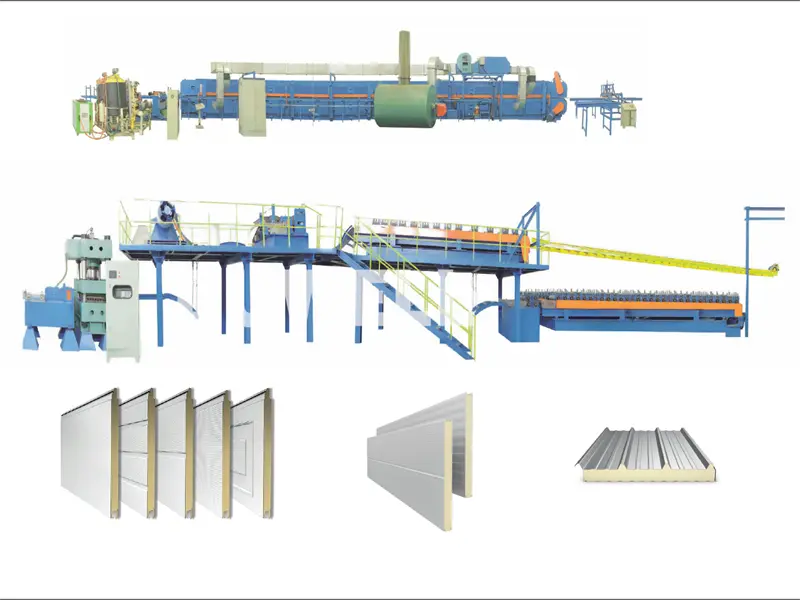
The door market is constantly evolving. Growing demand for insulated doors and energy-efficient buildings has also increased investment in polyurethane sandwich panel production line technology used for thermal insulation applications. A rigidly designed, low-end machine is often unable to produce new profiles or accommodate different material thicknesses. Choosing a machine with limited adjustability traps your business in a narrow product offering.
To ensure your investment drives profitability, you must evaluate potential machines against these seven critical factors. This section will help you perfectly align machine capabilities with your business goals.
The first step is defining exactly what you want to sell. Different regional markets and building codes demand different profiles. Do your customers need:
Flat slats: Popular for modern commercial aesthetics.
Curved slats: The traditional standard, offering excellent coiling efficiency.
Perforated slats: Required for retail storefronts that need security while maintaining airflow and window visibility.
Insulated slats (PU injected): Rapidly growing in demand for thermal and acoustic protection.
You must provide exact profile drawings to your machine supplier so the roller dies can be engineered perfectly.
Your machine must be robust enough to handle the specific materials you intend to use. Processing thick galvanized steel requires significantly more motor power and shaft thickness than processing thin aluminum.Ensure your machine supports your current and future material plans:
| Material Type | Typical Thickness Range | Machine Requirement |
| GI Steel | 0.3 mm - 1.2 mm | Heavy-duty shafts, high motor power |
| Aluminum | 0.5 mm - 1.0 mm | Specialized roller coating to prevent scratching |
| Pre-painted Steel | 0.3 mm - 0.8 mm | High-polish chrome rollers to protect paint |
Crucial Tip: Always ask the supplier if the machine has the tolerance adjustability to handle slight variations in coil thickness.
How many square meters of doors do you need to produce daily? Over-buying is a waste of capital, but under-buying limits your growth. Match the machine speed to your factory's output goals.
| Factory Size / Output Goal | Recommended Machine Speed | Ideal For |
| Small Workshop | 10 - 15 m/min | Startups, custom local orders |
| Medium Factory | 15 - 25 m/min | Regional suppliers, steady volume |
| Large Manufacturer | 30 - 60 m/min | High-volume wholesale, national distribution |
Automation directly impacts your labor costs and output consistency. While semi-automatic machines have a lower initial price, fully automatic machines pay for themselves rapidly in high-wage regions.
| Feature | Semi-Automatic Machine | Fully Automatic Machine |
| Coil Feeding | Manual decoiler | Automatic hydraulic decoiler |
| Punching (for locks/holes) | Manual / Separate press | In-line Servo punching |
| Cutting System | Basic stop-to-cut | Flying shear (cuts without stopping) |
| Labor Required | High (2-3 operators) | Low (1 operator watching the screen) |
This is where the true quality of a machine is hidden, and what buyers overlook most frequently.
The rollers do the heavy lifting. Standard 45# steel rollers will wear out quickly. You must demand premium Roller Material such as Cr12 or GCr15 (bearing steel). Ensure the supplier utilizes proper Heat Treatment (quenching) to achieve HRC58-62 hardness, followed by a thick Chrome Coating (0.05mm) to prevent rust and protect pre-painted coils from scratching.
Additionally, the Shaft Diameter must be thick enough (typically 50mm to 80mm depending on the profile) to prevent deflection and vibration during high-speed rolling.
The "brain" of your machine dictates how easy it is to operate. Modern equipment relies on advanced electronics rather than mechanical switches.
| System Component | Buyer Benefit |
| PLC (Programmable Logic Controller) | Ensures stable, automated operation and precise length measurement (Brands like Panasonic, Siemens, Mitsubishi). |
| Servo Motor Drive | Delivers higher precision in punching and cutting, reducing length errors to ±1mm. |
| Touch Screen (HMI) | Easy setup for operators. Simply input the desired length and quantity, and the machine does the rest. |
| Remote Diagnostics | Allows the supplier's engineers to connect to the machine via Wi-Fi for faster troubleshooting and software updates. |
A roll forming machine is a 10-to-20-year investment. Do not buy a machine; buy a manufacturing partnership.
Before signing a contract, verify the supplier's protocol for installation (do they send engineers overseas?), operator training, the availability of spare parts for the next decade, and their responsiveness for online technical support.
One of the most vital metrics that our competitors fail to discuss is the financial justification of the equipment. Procurement managers need to answer to stakeholders: How quickly will this machine pay for itself?Calculating your Return on Investment (ROI) and payback period requires understanding your machine cost, operational costs, and local market sales price.Standard ROI Period Formula:
To find out how many months it will take to recover your investment, use this simplified logic:
Payback Period (Months) = Equipment Cost / (Monthly Net Profit generated by the machine)Alternatively, the Annual ROI percentage can be calculated as:
ROI = [(Annual Profit - Equipment Cost) / Equipment Cost] × 100%
Let's assume a medium-sized manufacturer invests in a high-quality automatic machine.
| Financial Item | Value |
| Machine Cost (including shipping) | $50,000 |
| Estimated Monthly Output | 40,000 meters of slats |
| Net Profit per Meter | $0.16 |
| Monthly Profit | $6,400 |
| Annual Profit | $76,800 |
| Estimated ROI Period | ~ 8 Months |
Even experienced buyers can fall into traps when negotiating for heavy machinery. Protect your investment by avoiding these industry pitfalls.
A machine priced 30% below the market average is achieving that price by using hollow shafts, cheap electronics, and unhardened rollers. You will pay for the "cheap" machine over its lifespan through continuous breakdowns.
If you don't ask about the roller material and chrome plating thickness, the supplier may use standard carbon steel. This causes profile scratching and rapid wear.
Buying a machine that maxes out at 10m/min might suit you today, but if your business grows next year, you will be forced to buy an entirely new line. Always buy 20% more capacity than you currently need.
Trading companies often pretend to be factories. They cannot provide deep engineering support when things go wrong.
If a supplier has no English-speaking engineers or refuses to provide a detailed spare parts list, minor issues can halt your production for weeks.
| Check Item Before Purchase | Verified |
| Factory Audit (Video call or on-site visit) | |
| Machine Testing with your actual material | |
| CE Compliance & Electrical Safety Standards | |
| Spare Parts Plan (List of included wear parts) | |
| Training Program (Installation & operation manual) |
Take control of the negotiation process. To ensure the supplier is capable and professional, ask these specific questions during your initial inquiry:
What exact shutter profiles can this machine produce? (Ask if it can produce multiple sizes by changing spacers).
What raw materials and maximum thicknesses are supported?
What is the guaranteed production speed (excluding punching/cutting time)?
Can the machine be customized to include embossing or anti-wind hooks?
What is the exact warranty period, and what specific parts does it cover?
What after-sales support is available? Do you provide remote PLC troubleshooting?
Can I visit your factory, or can we arrange a live video tour before purchasing?
Over the last two decades, China has become the undisputed global hub for roll forming machinery. But why are manufacturers from Europe, the Americas, and the Middle East bypassing local suppliers to buy from China?The Advantages:
Competitive Pricing: The immense scale of manufacturing in China lowers raw material and component costs, offering exceptional value for money.
Mature Supply Chain: From Siemens PLCs to high-grade Cr12MoV steel, Chinese factories have immediate access to top-tier components.
Fast Customization: Because the engineering teams are highly experienced and well-staffed, customizing a complex profile machine takes weeks instead of months.
Global Export Experience: Top Chinese factories know exactly how to meet CE standards, package for sea freight, and handle international installation.
A Word of Caution:
While the advantages are clear, not all suppliers are the same. The market contains both high-end engineering firms and low-tier trading companies. To succeed, buyers must focus on suppliers with proven years of experience, robust engineering capability, verifiable customer references, and strict quality control protocols.
When reliability, precision, and long-term partnership matter, manufacturers turn to DUWELL.
DUWELL machines are the trusted backbone for factories operating in the:
Door and Window Industry
Storage and Warehousing Systems
Construction and Building Materials
Electrical Equipment
Agriculture Industry
Transportation Infrastructure
Elevator Components
Pipe and Tube Manufacturing
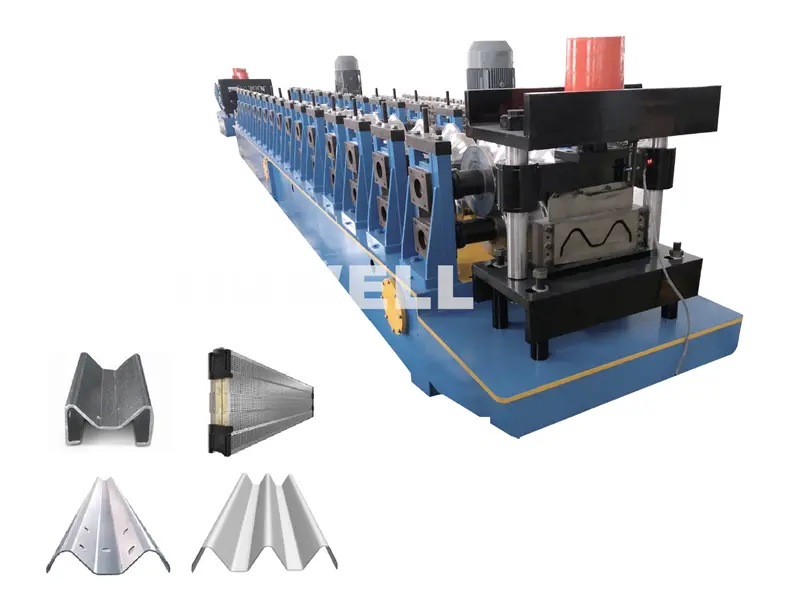
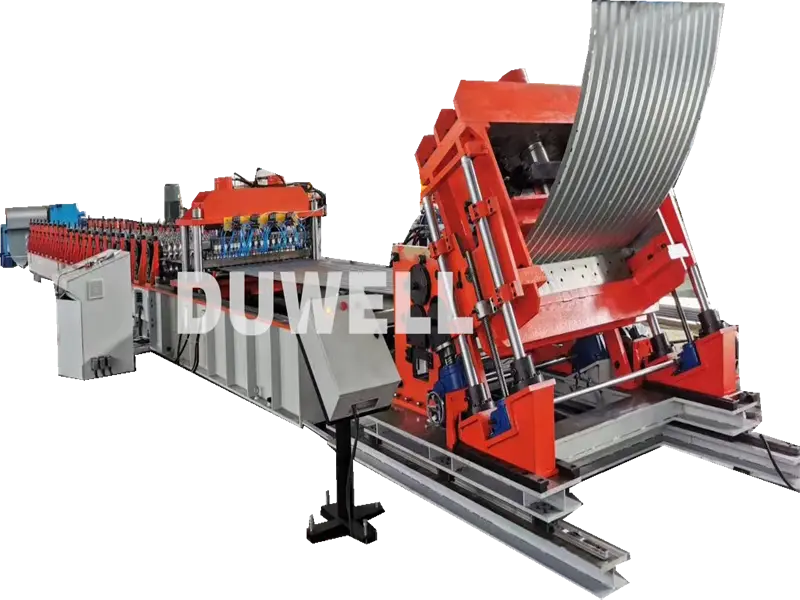
Through continuous R&D investment, strict European-standard quality control, and customer-focused engineering, DUWELL helps global manufacturers drastically improve production efficiency, whether they produce shutter systems or operate a guardrail roll forming machine line for transportation infrastructure projects.
We offer a massive portfolio of customized machinery tailored to your exact industry needs:
| Product Category | Application / Finished Goods |
| Door & Window Machines | Roller Shutters, Garage Doors, Door Frames, Tracks |
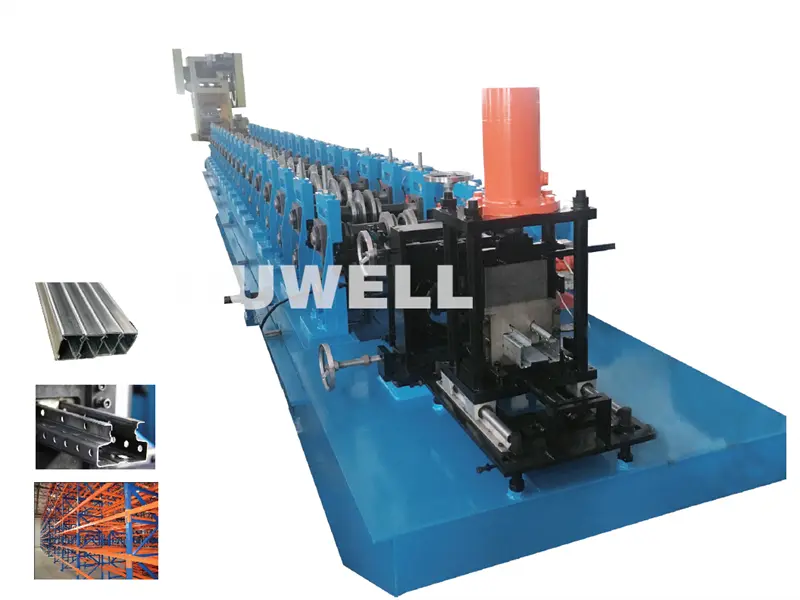
| Storage System Machines | Rack & Shelving Profiles, Uprights, Box Beams |
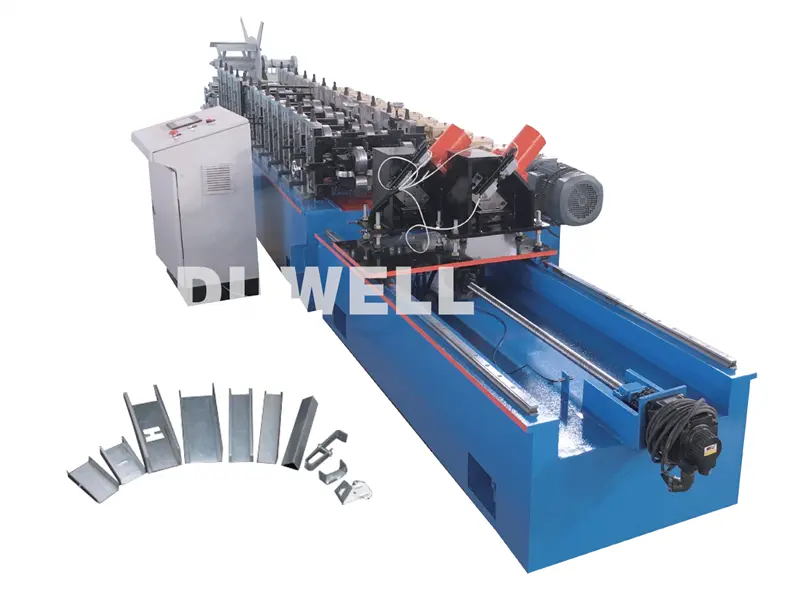
| Construction & Building Machines | Roofing Sheets, C/Z Purlins, Structural Profiles, Stud & Track |
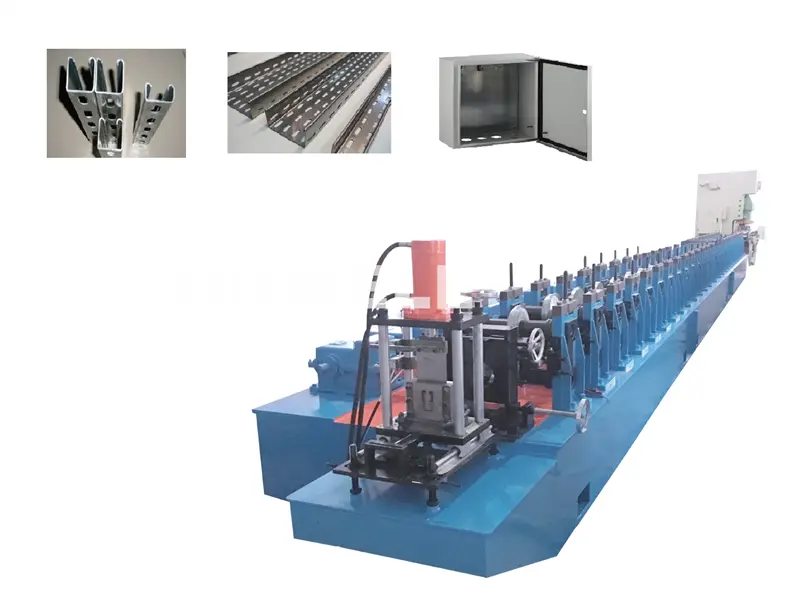
| Electrical & Lighting Machines | Cable Trays, Din Rails, Lighting Fixture Profiles |
| Highway & Transportation Machines | Crash Guardrails, Traffic Sign Profiles, Auto Parts |
| Agriculture Industry Machines | Greenhouse Profiles, Farm Silo Corrugated Sheets |
| Sandwich Panel Production Line | EPS/PU Insulated Wall and Roof Panels |
| Customized Profile Machines | Tailor-made special profiles based on your drawings |
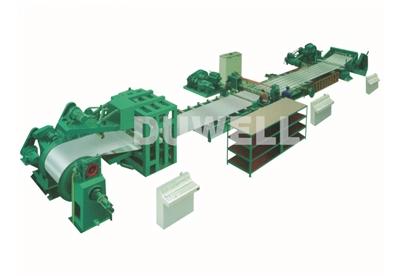
| Coil Processing & Tube Welding | Coil Slitting Lines, Cut-to-Length Lines, ERW Tube Mills |
Whether you are an ambitious startup launching a new production line, or an established industry leader upgrading an existing facility to increase capacity, DUWELL can help you engineer the perfect solution. We will help you find the most suitable rolling shutter making machine based strictly on your profile design, material specifications, production capacity goals, and budget.What You Can Expect from Partnering with DUWELL:
Free Expert Project Consultation: Let our engineers review your drawings.
Customized Machine Solutions: Tailored completely to your local market needs.
Production Layout Recommendations: Optimizing your factory floor space.
Technical Drawings Support: Precise roller and profile CAD designs.
Factory Acceptance Testing (FAT): We run the machine with your material before shipping.
Installation and Training Services: Comprehensive support for your operators.
Long-Term After-Sales Support: Decades of spare parts availability and technical backing.
Don't let subpar equipment slow down your business growth.Contact DUWELL today to discuss your rolling shutter production requirements, share your profile drawings, and receive a customized, no-obligation quotation from our senior engineering team.